Class Notes: Differentiating AI, ML, Neural Networks, and NLP
Understanding how Artificial Intelligence (AI), Machine Learning (ML), Neural Networks, and Natural Language Processing (NLP) interact and differ is best illustrated through real-world applications where they work synergistically.
Example 1: Autonomous Vehicles
An autonomous vehicle integrates all four technologies to function safely and navigate environments effectively.
- Artificial Intelligence (AI) – The Comprehensive System: AI represents the overarching intelligence of the vehicle. It encompasses the system’s ability to perceive the environment, make driving decisions, and execute physical actions (steering, accelerating, braking) that mimic human driving capabilities.
- Machine Learning (ML) – Data-Driven Improvement: ML focuses on the vehicle’s ability to learn from vast amounts of driving data. By processing data from past driving incidents, ML algorithms improve future decision-making processes, allowing the system to adapt based on accumulated experiences.
- Neural Networks – Vision and Perception: Neural networks process and interpret real-time visual data from cameras and sensors. Specifically, Convolutional Neural Networks (CNNs) are used to identify, classify, and recognize patterns regarding objects like pedestrians, other vehicles, traffic signs, and road markers.
- Natural Language Processing (NLP) – Human-Machine Interaction: NLP powers the voice-activated control systems inside the vehicle. It allows drivers to issue verbal commands or receive updates, facilitating a natural, conversational interface between the human and the autonomous driving system.
Example 2: Online Customer Support Chatbots
Customer support chatbots rely heavily on these interconnected technologies to provide seamless, human-like assistance.
- Artificial Intelligence (AI) – The Core Functionality: AI powers the chatbot’s overall ability to simulate conversational exchanges, understand customer needs, and provide relevant, timely assistance. It represents the entire functionality required to engage in a helpful dialogue.
- Machine Learning (ML) – Pattern Recognition and Prediction: ML refines the chatbot’s accuracy over time. By analyzing patterns across thousands of past conversations, ML algorithms learn to predict and generate the most effective responses to common queries based on historical data.
- Neural Networks – Complex Query Processing: Neural networks act as the technical foundation for processing complex sentence structures and contextual meanings. Recurrent Neural Networks (RNNs) are often utilized here because they excel at processing sequences of data, such as text, to help generate human-like responses.
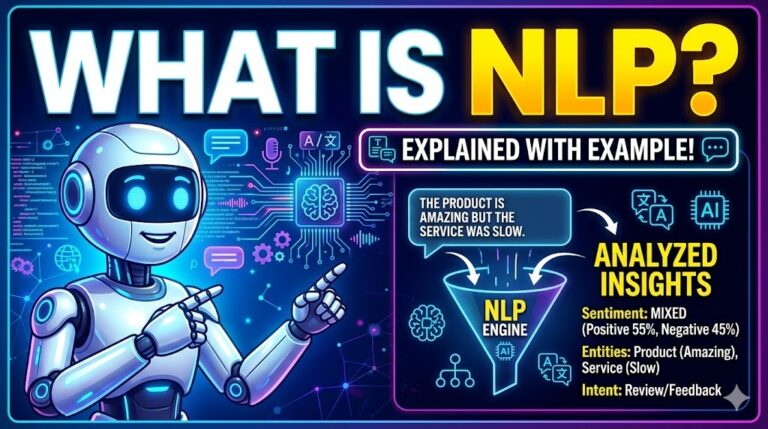
- Natural Language Processing (NLP) – Linguistic Comprehension: NLP directly handles the linguistic elements of the interaction. It enables the bot to dissect incoming customer queries, comprehend the exact intent behind the words, and construct coherent, contextually appropriate text responses.
క్లాస్ నోట్స్: AI, ML, Neural Networks మరియు NLP మధ్య తేడాలు
Artificial Intelligence (AI), Machine Learning (ML), Neural Networks, మరియు Natural Language Processing (NLP) ఒకదానితో ఒకటి ఎలా ఇంటరాక్ట్ అవుతాయి మరియు వాటి మధ్య తేడాలు ఏమిటి అని అర్థం చేసుకోవడానికి, అవి అన్నీ కలిసి పనిచేసే రియల్-వరల్డ్ అప్లికేషన్స్ ని చూడటం ఉత్తమమైన మార్గం.
ఉదాహరణ 1: Autonomous Vehicles
ఒక autonomous vehicle సురక్షితంగా పనిచేయడానికి మరియు పరిసరాల్లో సమర్థవంతంగా నావిగేట్ చేయడానికి ఈ నాలుగు టెక్నాలజీలను ఏకీకృతం (integrate) చేస్తుంది.
- Artificial Intelligence (AI) – కంప్రహెన్సివ్ సిస్టమ్ (The Comprehensive System): AI అనేది వాహనం యొక్క ఓవర్ఆర్చింగ్ ఇంటెలిజెన్స్ (overarching intelligence) ని సూచిస్తుంది. ఇది వాతావరణాన్ని పసిగట్టగల సిస్టమ్ సామర్థ్యాన్ని, డ్రైవింగ్ నిర్ణయాలు తీసుకోవడాన్ని మరియు మానవ డ్రైవింగ్ సామర్థ్యాలను అనుకరించే ఫిజికల్ యాక్షన్స్ (స్టీరింగ్, యాక్సిలరేటింగ్, బ్రేకింగ్ వంటివి) అమలు చేయడాన్ని కలిగి ఉంటుంది.
- Machine Learning (ML) – డేటా-డ్రివెన్ ఇంప్రూవ్మెంట్ (Data-Driven Improvement): భారీ మొత్తంలో డ్రైవింగ్ డేటా నుండి నేర్చుకోగల వాహనం యొక్క సామర్థ్యంపై ML దృష్టి పెడుతుంది. గత డ్రైవింగ్ సంఘటనల డేటాను ప్రాసెస్ చేయడం ద్వారా, ML అల్గారిథమ్స్ భవిష్యత్తులో నిర్ణయాలు తీసుకునే విధానాలను మెరుగుపరుస్తాయి, తద్వారా సిస్టమ్ తన గత అనుభవాల ఆధారంగా అడాప్ట్ (adapt) అవ్వడానికి వీలు కల్పిస్తుంది.
- Neural Networks – విజన్ మరియు పర్సెప్షన్ (Vision and Perception): Neural networks కెమెరాలు మరియు సెన్సార్ల నుండి వచ్చే రియల్-టైమ్ విజువల్ డేటాను ప్రాసెస్ మరియు విశ్లేషిస్తాయి (interpret). నిర్దిష్టంగా, పాదచారులు (pedestrians), ఇతర వాహనాలు, ట్రాఫిక్ సంకేతాలు మరియు రోడ్ మార్కర్స్ వంటి వస్తువులకు సంబంధించిన ప్యాటర్న్స్ ని గుర్తించడానికి మరియు వర్గీకరించడానికి (classify) Convolutional Neural Networks (CNNs) ఉపయోగించబడతాయి.
- Natural Language Processing (NLP) – హ్యూమన్-మెషీన్ ఇంటరాక్షన్ (Human-Machine Interaction): వాహనం లోపల వాయిస్-యాక్టివేటెడ్ కంట్రోల్ సిస్టమ్స్ పనిచేయడానికి NLP సహాయపడుతుంది. ఇది డ్రైవర్లు వెర్బల్ కమాండ్స్ (verbal commands) ఇవ్వడానికి లేదా అప్డేట్స్ పొందడానికి అనుమతిస్తుంది. తద్వారా మనిషికి మరియు autonomous డ్రైవింగ్ సిస్టమ్కి మధ్య ఒక సహజమైన, కన్వర్సేషనల్ ఇంటర్ఫేస్ (conversational interface) ఏర్పడుతుంది.
ఉదాహరణ 2: ఆన్లైన్ కస్టమర్ సపోర్ట్ Chatbots
కస్టమర్ సపోర్ట్ chatbots, మనిషి లాంటి అతుకులు లేని (seamless) సహాయాన్ని అందించడానికి ఈ ఇంటర్కనెక్టడ్ టెక్నాలజీలపై (interconnected technologies) ఎక్కువగా ఆధారపడతాయి.
- Artificial Intelligence (AI) – కోర్ ఫంక్షనాలిటీ (The Core Functionality): కన్వర్సేషనల్ ఎక్స్ఛేంజెస్ ని సిమ్యులేట్ చేయడానికి, కస్టమర్ల అవసరాలను అర్థం చేసుకోవడానికి మరియు సంబంధిత, సకాలంలో సహాయాన్ని అందించడానికి chatbot కు ఉన్న ఓవరాల్ ఎబిలిటీని AI పవర్ చేస్తుంది. ఒక ఉపయోగకరమైన సంభాషణలో (dialogue) పాల్గొనడానికి అవసరమైన మొత్తం ఫంక్షనాలిటీని ఇది సూచిస్తుంది.
- Machine Learning (ML) – ప్యాటర్న్ రికగ్నిషన్ మరియు ప్రిడిక్షన్ (Pattern Recognition and Prediction): కాలక్రమేణా chatbot యొక్క కచ్చితత్వాన్ని (accuracy) ML మెరుగుపరుస్తుంది. గతంలో జరిగిన వేలాది సంభాషణలలోని ప్యాటర్న్స్ ని విశ్లేషించడం ద్వారా, చారిత్రక డేటా (historical data) ఆధారంగా సాధారణ ప్రశ్నలకు అత్యంత ఎఫెక్టివ్ రెస్పాన్సెస్ ని అంచనా వేయడం (predict) మరియు జనరేట్ చేయడం ML అల్గారిథమ్స్ నేర్చుకుంటాయి.
- Neural Networks – కాంప్లెక్స్ క్వెరీ ప్రాసెసింగ్ (Complex Query Processing): కాంప్లెక్స్ సెంటెన్స్ స్ట్రక్చర్స్ మరియు కాంటెక్స్చువల్ మీనింగ్స్ (contextual meanings) ని ప్రాసెస్ చేయడానికి Neural networks టెక్నికల్ ఫౌండేషన్ గా పనిచేస్తాయి. ఇక్కడ తరచుగా Recurrent Neural Networks (RNNs) ఉపయోగించబడతాయి ఎందుకంటే అవి టెక్స్ట్ వంటి సీక్వెన్సెస్ ఆఫ్ డేటా (sequences of data) ని ప్రాసెస్ చేయడంలో మరియు మనిషి లాంటి రెస్పాన్సెస్ ని జనరేట్ చేయడంలో అద్భుతంగా పనిచేస్తాయి.
- Natural Language Processing (NLP) – లింగ్విస్టిక్ కాంప్రహెన్షన్ (Linguistic Comprehension): ఇంటరాక్షన్ లోని లింగ్విస్టిక్ ఎలిమెంట్స్ (linguistic elements) ని NLP నేరుగా హ్యాండిల్ చేస్తుంది. కస్టమర్ అడిగే క్వెరీస్ ని విడదీసి విశ్లేషించడానికి (dissect), పదాల వెనుక ఉన్న అసలైన ఉద్దేశ్యాన్ని (intent) గ్రహించడానికి మరియు పొందికైన, సందర్భోచితమైన టెక్స్ట్ రెస్పాన్సెస్ ని నిర్మించడానికి ఇది bot కి వీలు కల్పిస్తుంది.