🚀 *Gen AI Engineer (Production Focused)*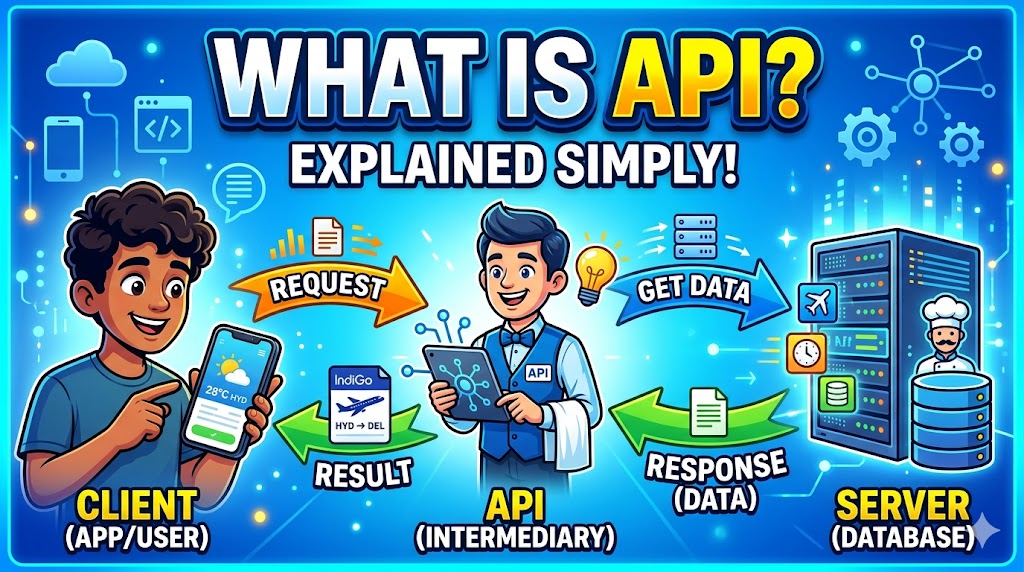
🔌 1. What is an API?
- 📝 Full Form: Application Programming Interface.
- 📖 Definition: A set of functions, procedures, definitions, and protocols used for integrating application software.
- 🧠 Core Concept: It is a way for applications to abstract themselves so they can be easily reusable within their own system, or for other software and services to consume them. Essentially, APIs are all about integration and abstracting functionality for reusability.
🧮 2. Breaking Down the Term “API” (The Calculator Example)
To understand what the name actually means, let’s break down each letter using a calculator app as an example:
- 📱 A – Application: A piece of software designed to perform a specific task.
- Example: The calculator application on your phone.
- ⚙️ P – Programming: A specific program or functionality that runs within the application.
- Example: Addition, subtraction, multiplication, and division are all separate programs that make up the calculator app. (Adding 10 + 7 is a different program than subtracting 10 – 7).
- 🖥️ I – Interface: A place or medium where the program can run successfully.
- Example: Your phone is the interface where the calculator application and its addition program run.
💡 Note: You don’t need to know the complex code running behind the addition (+) button. You just need to know that when you input two integers and use the addition functionality, you will get a response (the sum) from the calculator.
🍕 3. The Restaurant Analogy
The easiest way to understand how an API functions is by visualizing a restaurant scenario:
- 👤 You (The Client): You are at a restaurant and want to order food (a pizza).
- 🧑🍳 The Chef (The Server/System): The chef is the one who makes the pizza. However, the chef doesn’t speak your language, and you don’t know exactly how the chef prepares the pizza.
- 💁♂️ The Waiter (The API): The waiter acts as the messenger. They take your order (your request), communicate it to the chef in a way the chef understands, and then bring the finished pizza (the response) back to you.
🔑 4. Key Takeaways
- 👁️🗨️ Abstraction: APIs allow you to use a program’s functionality without having any knowledge of how that program actually works behind the scenes.
- 🌍 Platform-Independent: APIs are platform-independent.
- 🛠️ Zero Maintenance: Typically, there is no maintenance required for the consumer using the API.
- 🤝 Mutual Benefit: It creates a win-win situation for both the client (requesting the data) and the server (providing the data).
📚 API (అప్లికేషన్ ప్రోగ్రామింగ్ ఇంటర్ఫేస్) పరిచయం
🔌 1. API అంటే ఏమిటి?
- 📝 పూర్తి రూపం: అప్లికేషన్ ప్రోగ్రామింగ్ ఇంటర్ఫేస్ (Application Programming Interface).
- 📖 నిర్వచనం: అప్లికేషన్ సాఫ్ట్వేర్ను ఏకీకృతం (integrate) చేయడానికి ఉపయోగపడే ఫంక్షన్లు, విధానాలు, నిర్వచనాలు మరియు ప్రోటోకాల్ల సముదాయం.
- 🧠 ముఖ్య ఉద్దేశ్యం: అప్లికేషన్లు తమ సొంత సిస్టమ్లో తిరిగి ఉపయోగించుకోవడానికి (reusable) లేదా ఇతర సాఫ్ట్వేర్ సేవలు వినియోగించుకోవడానికి తమను తాము అబ్స్ట్రాక్ట్ (abstract) చేసుకునే ఒక మార్గం. ఇది ప్రధానంగా సాఫ్ట్వేర్ల మధ్య కమ్యూనికేషన్ మరియు ఇంటిగ్రేషన్ కోసం ఉపయోగపడుతుంది.
🧮 2. ‘API’ పద వివరణ (కాలిక్యులేటర్ ఉదాహరణతో)
- 📱 A – Application (అప్లికేషన్): ఒక నిర్దిష్ట పనిని చేసే సాఫ్ట్వేర్.
- ఉదాహరణ: మీ ఫోన్లోని కాలిక్యులేటర్ యాప్.
- ⚙️ P – Programming (ప్రోగ్రామింగ్): అప్లికేషన్లో ఒక నిర్దిష్ట పనిని చేసే ప్రోగ్రామ్ లేదా ఫంక్షనాలిటీ.
- ఉదాహరణ: కాలిక్యులేటర్లోని కూడిక, తీసివేత వంటి విభిన్న ప్రోగ్రామ్లు. (10+7 అనేది 10-7 కంటే భిన్నమైన ప్రోగ్రామ్).
- 🖥️ I – Interface (ఇంటర్ఫేస్): ఆ ప్రోగ్రామ్ విజయవంతంగా రన్ కావడానికి ఉపయోగపడే ప్రదేశం లేదా మాధ్యమం.
- ఉదాహరణ: మీ ఫోన్. మీకు కూడిక (+) బటన్ వెనుక ఉన్న కోడ్ తెలియాల్సిన అవసరం లేదు, రెండు అంకెలు ఇస్తే అది ఫలితాన్ని (response) ఇస్తుంది.
🍕 3. సులభంగా అర్థం చేసుకోవడానికి ఒక ఉదాహరణ: రెస్టారెంట్
API ఎలా పనిచేస్తుందో అర్థం చేసుకోవడానికి రెస్టారెంట్ వాతావరణం సరైన ఉదాహరణ:
- 👤 మీరు (Client): మీకు ఒక సేవ (పిజ్జా) కావాలి.
- 🧑🍳 చెఫ్ (Server/System): మీకు కావలసిన ఆహారాన్ని తయారుచేయగల వ్యక్తి, కానీ అతనికి మీ భాష అర్థం కాదు.
- 💁♂️ వెయిటర్ (API): మీ నుండి ఆర్డర్ తీసుకుని, చెఫ్కు అందించే మధ్యవర్తి. చెఫ్ తయారుచేసిన పిజ్జాను తిరిగి మీకు అందిస్తాడు.
🔑 4. ముఖ్యమైన పాయింట్లు (Key Takeaways)
- 👁️🗨️ అంతర్గతంగా ప్రోగ్రామ్ లేదా కోడ్ ఎలా పనిచేస్తుందనే అవగాహన (knowledge) లేకపోయినా దాన్ని సులభంగా ఉపయోగించుకోవడానికి APIలు అనుమతిస్తాయి.
- 🌍 APIలు ప్లాట్ఫారమ్ ఇండిపెండెంట్ (Platform Independent).
- 🛠️ సాధారణంగా వినియోగదారునికి (consumer) APIల నిర్వహణ (maintenance) అవసరం ఉండదు.
- 🤝 ఇది క్లయింట్ మరియు సర్వర్ ఇద్దరికీ లాభదాయకమైన (Win-Win) వాతావరణాన్ని సృష్టిస్తుంది.
📚 Class Notes: APIs and Web Services
In this lecture, we discussed standard API examples and how web services work. We will be using Python as our main backend development programming language.
🐍 1. The ‘Round’ Function in Python & Abstraction
Python has many built-in functions that are automatically available in the interpreter. One of them is the round function.
- 🔢 Functionality: It allows you to round the decimals of a number.
- Example:
X = round(3.14159265359, 2) - Result:
3.14
- Example:
- 💡 Key Takeaway: As programmers, we don’t need to know exactly how this code is processed internally. Python has abstracted the functionality and provided it for us to call directly.
- 🎯 The Power of an API: This is the true power of an API. We are acting as the client consuming a service that does a specific job without needing to write the code from scratch.
⚙️ 2. API (Application Programming Interface)
- 🔌 Integration: APIs are everywhere and embedded in programming languages, regardless of front-end or back-end technologies.
- ♻️ Reusability: They are incredibly helpful because they abstract functionality away while delivering greater integration.
- 🚫 Less Effort: Using an API means you do not have to reinvent the wheel.
🌐 3. Web Services
When most people discuss APIs, they are primarily talking about Web Services or Web APIs.
- 🔗 Access: A web service is exactly what it sounds like: an API that is accessible over the web via HTTP (Hypertext Transfer Protocol).
- 🤝 Contract: APIs allow data to be sent between applications without needing to know how the other application is built or how it works. To communicate over the web, all the applications need is a “contract” to send and receive data.
✈️ 4. Example: Travel Booking Website
A great example of a web service is your favorite travel booking website (e.g., Google Flights). You might be using these web services without even knowing it.
- 🔍 How it works: When you enter a location and date (e.g., Las Vegas to Orlando), the travel website kicks off multiple API requests at once to all the top airlines.
- 📥 Response: It receives the responses from all those airlines and then categorizes the best deals based on your personal filters.
- 📜 Public API / Agreement: These web services must be public, or the travel company must have an agreement (contract) to use the airline APIs. Airlines without this agreement won’t show up on the website.
🛠️ 5. Benefits for Travel Companies (Zero Maintenance)
Using APIs provides the following benefits to a travel company’s business model:
- 🎯 Focus: The travel company can focus on their main objective, which is providing the best value airline deals for your travel purposes.
- ✅ Zero Maintenance: If an airline changes a flight time or stops offering a trip, the travel company doesn’t need to make any changes to their application. They are simply consuming the data sent to them.
- 📊 Data Management: Because all data is sent from APIs, there is no burden on the travel company to manage external data outside of their own system.
📚 క్లాస్ నోట్స్: APIలు మరియు వెబ్ సర్వీసెస్
ఈ లెక్చర్లో ప్రామాణిక API ఉదాహరణలు మరియు వెబ్ సర్వీసెస్ ఎలా పనిచేస్తాయి అనే విషయాలను చర్చించాము. మన ప్రధాన బ్యాకెండ్ డెవలప్మెంట్ లాంగ్వేజ్గా పైథాన్ను (Python) ఉపయోగిస్తాము.
🐍 1. పైథాన్లో ‘Round’ ఫంక్షన్ మరియు అబ్స్ట్రాక్షన్ (Abstraction)
పైథాన్లో దానంతట అవే ఆటోమేటిక్గా అందుబాటులో ఉండే అనేక ఇన్బిల్ట్ ఫంక్షన్లు (built-in functions) ఉన్నాయి. అందులో ఒకటి round ఫంక్షన్.
- 🔢 ఫంక్షనాలిటీ: ఇది ఒక సంఖ్యలోని డెసిమల్స్ను (దశాంశాలను) రౌండ్ చేయడానికి ఉపయోగపడుతుంది.
- ఉదాహరణ:
X = round(3.14159265359, 2) - ఫలితం:
3.14
- ఉదాహరణ:
- 💡 ముఖ్య గమనిక: ఈ కోడ్ అంతర్గతంగా ఎలా ప్రాసెస్ అవుతుందో ప్రోగ్రామర్లుగా మనం తెలుసుకోవాల్సిన అవసరం లేదు. పైథాన్ దాని ఫంక్షనాలిటీని అబ్స్ట్రాక్ట్ (abstract) చేసి మనకు అందించింది.
- 🎯 API శక్తి: మనకు అవసరమైన ఫంక్షనాలిటీ కోసం మళ్లీ కోడ్ రాయాల్సిన అవసరం లేకుండా, ఒక సేవను (service) నేరుగా వినియోగించుకోవడమే API యొక్క అసలైన శక్తి.
⚙️ 2. API (అప్లికేషన్ ప్రోగ్రామింగ్ ఇంటర్ఫేస్)
- 🔌 ఇంటిగ్రేషన్: ఇది ఫ్రంట్-ఎండ్ లేదా బ్యాక్-ఎండ్ టెక్నాలజీలతో సంబంధం లేకుండా ప్రతిచోటా ఉంటుంది.
- ♻️ పునర్వినియోగం: ఫంక్షనాలిటీని అబ్స్ట్రాక్ట్ చేస్తూనే, మెరుగైన ఇంటిగ్రేషన్ను అందిస్తాయి.
- 🚫 శ్రమ తగ్గింపు: APIలను ఉపయోగించడం వల్ల ఒకే పనిని మొదటి నుండి మళ్లీ చేయాల్సిన అవసరం ఉండదు (No need to reinvent the wheel).
🌐 3. వెబ్ సర్వీసెస్ (Web Services)
చాలామంది APIల గురించి మాట్లాడుతున్నప్పుడు, వారు ప్రధానంగా వెబ్ సర్వీసెస్ గురించే చర్చిస్తుంటారు.
- 🔗 యాక్సెస్: వెబ్ ద్వారా, అంటే HTTP (హైపర్టెక్స్ట్ ట్రాన్స్ఫర్ ప్రోటోకాల్) ద్వారా యాక్సెస్ చేయగల APIలను వెబ్ సర్వీసెస్ అంటారు.
- 🤝 కాంట్రాక్ట్ (Contract): ఇతర అప్లికేషన్లు ఎలా నిర్మించబడ్డాయో తెలియకపోయినా, ఒక ‘కాంట్రాక్ట్’ ఆధారంగా వెబ్ ద్వారా అప్లికేషన్లు కమ్యూనికేట్ చేసుకుని డేటాను పంచుకోవడానికి ఇవి అనుమతిస్తాయి.
✈️ 4. ఉదాహరణ: ట్రావెల్ బుకింగ్ వెబ్సైట్
Google Flights వంటి ట్రావెల్ బుకింగ్ వెబ్సైట్లు వెబ్ సర్వీసెస్కు అద్భుతమైన ఉదాహరణ.
- 🔍 ఎలా పనిచేస్తుంది?: మీరు ఒక ప్రదేశం మరియు తేదీని ఎంటర్ చేయగానే (ఉదా: లాస్ వెగాస్ నుండి ఓర్లాండో), ఆ వెబ్సైట్ అన్ని ప్రముఖ ఎయిర్లైన్స్కు ఒకేసారి అనేక API రిక్వెస్ట్లను పంపుతుంది.
- 📥 రెస్పాన్స్: ఎయిర్లైన్స్ నుండి వచ్చిన రెస్పాన్స్లను స్వీకరించి, మీ ఫిల్టర్ల ఆధారంగా బెస్ట్ డీల్స్ను చూపిస్తుంది.
- 📜 పబ్లిక్ API / అగ్రిమెంట్: ఎయిర్లైన్స్ డేటాను చూపించాలంటే ఆ APIలు పబ్లిక్ అయి ఉండాలి లేదా ఆయా ఎయిర్లైన్స్తో ట్రావెల్ కంపెనీకి ఒక అగ్రిమెంట్ (కాంట్రాక్ట్) ఉండాలి.
🛠️ 5. ట్రావెల్ కంపెనీలకు కలిగే లాభాలు (Zero Maintenance)
APIలను ఉపయోగించడం వల్ల ట్రావెల్ కంపెనీల బిజినెస్ మోడల్కు ఈ కింది లాభాలు ఉన్నాయి:
- 🎯 ఫోకస్ (Focus): కస్టమర్లకు అత్యుత్తమ డీల్స్ అందించడం అనే తమ ప్రధాన ఉద్దేశ్యంపై మాత్రమే సంస్థలు దృష్టి పెట్టగలుగుతాయి.
- ✅ జీరో మెయింటెనెన్స్ (Zero Maintenance): ఎయిర్లైన్ వాళ్లు ఫ్లైట్ టైమ్ని మార్చినా, రద్దు చేసినా ట్రావెల్ కంపెనీ తమ అప్లికేషన్లో మార్పులు చేయాల్సిన అవసరం లేదు. వారు కేవలం డేటాను మాత్రమే తీసుకుంటారు.
- 📊 డేటా మేనేజ్మెంట్: డేటా అంతా APIల ద్వారానే వస్తుంది కాబట్టి, ఇతర డేటాను మేనేజ్ చేసే భారం ట్రావెల్ కంపెనీకి ఉండదు.
While “Web APIs” are the most commonly discussed type today because they power the internet, the term “API” (Application Programming Interface) is much broader. APIs can be classified in a few different ways depending on where they operate, who can access them, and how they are built.
Here is a breakdown of the other types of APIs:
1. By System and Environment (Where they operate)
Web APIs operate over a network. The counterparts to Web APIs are local or system-level APIs that run on a specific machine.
- Operating System (OS) APIs: These allow your software to communicate directly with an operating system to manage files, allocate memory, or interact with hardware.
- Examples: Windows API (Win32), POSIX (for Linux/Unix), or Apple’s Cocoa API.
- Library / Framework APIs: These are provided by software libraries or frameworks so developers can use pre-written code to perform specific tasks within their own applications.
- Examples: Python’s built-in
mathorround()functions, JavaScript’s React API, or Java’s Core API.
- Examples: Python’s built-in
- Database APIs: These enable an application to communicate with a database management system to query or modify data.
- Examples: JDBC (Java Database Connectivity), ODBC (Open Database Connectivity).
- Hardware APIs: These provide an interface to interact with specific hardware components, like graphics cards or sensors.
- Examples: OpenGL, Vulkan, or DirectX for graphics processing.
2. By Availability and Access (Who can use them)
This classification looks at the release policies of APIs, usually in a business context.
- Public / Open APIs: Available to any external third-party developer or business to consume. They are designed to encourage external integration.
- Examples: Google Maps API, Stripe API, OpenWeather API.
- Private / Internal APIs: Hidden from the public and used exclusively within a single company to connect internal systems, teams, or microservices (e.g., connecting a company’s HR system to its internal payroll system).
- Partner APIs: Shared only with strategically chosen and authorized business partners. They require strict authentication and formal agreements.
- Composite APIs: These combine multiple different API calls into a single sequence. Instead of a client making five different requests to get related data, a composite API gathers it all on the server side and returns it in one go.
3. By Architecture and Protocol (How Web APIs are built)
If we zoom specifically into “Web APIs,” they are further divided by the architectural styles and protocols they use to format and transfer data over the internet.
- REST (Representational State Transfer): The most popular and lightweight web architecture, relying on standard HTTP methods and mostly using JSON for data transfer.
- SOAP (Simple Object Access Protocol): An older, highly structured, and rigid protocol that exclusively uses XML. It is heavily used in enterprise, banking, and legacy systems due to its built-in security features.
- GraphQL: A modern query language where the client can request the exact specific data it needs from a single endpoint, rather than relying on multiple fixed endpoints.
- gRPC: A high-performance framework developed by Google that uses Protocol Buffers (a binary format) instead of JSON/XML, making it incredibly fast for internal system communication.
- WebSockets: An API type that keeps a continuous, two-way connection open between the client and server, making it ideal for real-time applications like live chat or multiplayer games.
ప్రస్తుతం ఇంటర్నెట్ను నడిపిస్తున్నవి “వెబ్ API (Web APIs)”లు కాబట్టి, వాటి గురించి ఎక్కువగా చర్చిస్తుంటారు. కానీ, “API” (అప్లికేషన్ ప్రోగ్రామింగ్ ఇంటర్ఫేస్) అనే పదం చాలా విస్తృతమైనది. APIలు ఎక్కడ పనిచేస్తాయి, వాటిని ఎవరు యాక్సెస్ చేయగలరు మరియు అవి ఎలా నిర్మించబడ్డాయి అనే దాని ఆధారంగా వాటిని వివిధ రకాలుగా వర్గీకరించవచ్చు.
API ల యొక్క ఇతర రకాలు ఇక్కడ ఉన్నాయి:
1. సిస్టమ్ మరియు పర్యావరణం ఆధారంగా (అవి ఎక్కడ పనిచేస్తాయి)
వెబ్ APIలు నెట్వర్క్ ద్వారా పనిచేస్తాయి. వీటికి భిన్నంగా, ఒక నిర్దిష్ట మెషీన్లో (కంప్యూటర్/డివైస్) రన్ అయ్యే లోకల్ లేదా సిస్టమ్-లెవల్ APIలు కూడా ఉంటాయి.
- ఆపరేటింగ్ సిస్టమ్ (OS) APIలు: ఫైల్లను నిర్వహించడానికి, మెమరీని కేటాయించడానికి లేదా హార్డ్వేర్తో ఇంటరాక్ట్ అవ్వడానికి మీ సాఫ్ట్వేర్ నేరుగా ఆపరేటింగ్ సిస్టమ్తో కమ్యూనికేట్ చేయడానికి ఇవి అనుమతిస్తాయి.
- ఉదాహరణలు: Windows API (Win32), POSIX (Linux/Unix కోసం), లేదా Apple యొక్క Cocoa API.
- లైబ్రరీ / ఫ్రేమ్వర్క్ APIలు: డెవలపర్లు తమ సొంత అప్లికేషన్లలో నిర్దిష్ట పనులను చేయడానికి ముందుగా రాసిన కోడ్ను (pre-written code) ఉపయోగించుకునేలా ఇవి సాఫ్ట్వేర్ లైబ్రరీలు లేదా ఫ్రేమ్వర్క్ల ద్వారా అందించబడతాయి.
- ఉదాహరణలు: పైథాన్ యొక్క ఇన్బిల్ట్
mathలేదాround()ఫంక్షన్లు, JavaScript యొక్క React API, లేదా Java యొక్క Core API.
- ఉదాహరణలు: పైథాన్ యొక్క ఇన్బిల్ట్
- డేటాబేస్ APIలు: డేటాను క్వెరీ చేయడానికి (వెతకడానికి) లేదా సవరించడానికి డేటాబేస్ మేనేజ్మెంట్ సిస్టమ్తో అప్లికేషన్ కమ్యూనికేట్ చేయడానికి ఇవి అనుమతిస్తాయి.
- ఉదాహరణలు: JDBC (Java Database Connectivity), ODBC (Open Database Connectivity).
- హార్డ్వేర్ APIలు: గ్రాఫిక్స్ కార్డ్లు లేదా సెన్సార్ల వంటి నిర్దిష్ట హార్డ్వేర్ భాగాలతో ఇంటరాక్ట్ అవ్వడానికి ఇవి ఇంటర్ఫేస్ను అందిస్తాయి.
- ఉదాహరణలు: గ్రాఫిక్స్ ప్రాసెసింగ్ కోసం OpenGL, Vulkan, లేదా DirectX.
2. లభ్యత మరియు యాక్సెస్ ఆధారంగా (ఎవరు ఉపయోగించగలరు)
ఈ వర్గీకరణ సాధారణంగా వ్యాపార వాతావరణంలో APIల రిలీజ్ పాలసీలను (release policies) బట్టి ఉంటుంది.
- పబ్లిక్ / ఓపెన్ APIలు (Public/Open APIs): ఎవరైనా థర్డ్-పార్టీ డెవలపర్ లేదా వ్యాపార సంస్థ వినియోగించుకోవడానికి బహిరంగంగా అందుబాటులో ఉంటాయి. బాహ్య ఇంటిగ్రేషన్ను (external integration) ప్రోత్సహించడానికి ఇవి రూపొందించబడ్డాయి.
- ఉదాహరణలు: Google Maps API, Stripe API, OpenWeather API.
- ప్రైవేట్ / ఇంటర్నల్ APIలు (Private/Internal APIs): ఇవి పబ్లిక్గా అందుబాటులో ఉండవు. ఒక సంస్థ లేదా కంపెనీలోని అంతర్గత బృందాలు లేదా సిస్టమ్ల మధ్య కమ్యూనికేషన్ కోసం మాత్రమే ఇవి ఉపయోగించబడతాయి (ఉదా: కంపెనీ HR సిస్టమ్ను పేరోల్ సిస్టమ్తో అనుసంధానించడం).
- పార్ట్నర్ APIలు (Partner APIs): వ్యూహాత్మకంగా ఎంపిక చేయబడిన మరియు అధికారిక వ్యాపార భాగస్వాములకు (business partners) మాత్రమే షేర్ చేయబడతాయి. వీటికి కచ్చితమైన అగ్రిమెంట్లు (contracts) మరియు ఆథెంటికేషన్ అవసరం.
- కాంపోజిట్ APIలు (Composite APIs): ఇవి బహుళ వేర్వేరు API కాల్లను ఒకే సీక్వెన్స్గా (sequence) కలుపుతాయి. క్లయింట్ వేర్వేరు డేటా కోసం 5 సార్లు వేర్వేరు రిక్వెస్ట్లు పంపే బదులు, ఇది సర్వర్ వైపు మొత్తం డేటాను సేకరించి ఒకేసారి (single response) ఇస్తుంది.
3. ఆర్కిటెక్చర్ మరియు ప్రోటోకాల్ ఆధారంగా (వెబ్ APIలు ఎలా నిర్మించబడ్డాయి)
మనం ప్రత్యేకంగా “వెబ్ APIల” గురించి మాట్లాడితే, ఇంటర్నెట్ ద్వారా డేటాను ఫార్మాట్ చేయడానికి మరియు బదిలీ చేయడానికి అవి ఉపయోగించే ఆర్కిటెక్చరల్ స్టైల్స్ మరియు ప్రోటోకాల్ల ఆధారంగా ఇవి విభజించబడ్డాయి.
- REST (Representational State Transfer): ఇది అత్యంత ప్రజాదరణ పొందిన మరియు తేలికపాటి (lightweight) వెబ్ ఆర్కిటెక్చర్. ఇది స్టాండర్డ్ HTTP పద్ధతులపై ఆధారపడుతుంది మరియు డేటా ట్రాన్స్ఫర్ కోసం ఎక్కువగా JSON ని ఉపయోగిస్తుంది.
- SOAP (Simple Object Access Protocol): ఇది పాతది, అత్యంత కఠినమైన మరియు స్ట్రక్చర్డ్ ప్రోటోకాల్. ఇది డేటా కోసం కేవలం XML ని మాత్రమే ఉపయోగిస్తుంది. దీనిలోని ఇన్బిల్ట్ సెక్యూరిటీ ఫీచర్ల వల్ల ఎంటర్ప్రైజ్ మరియు బ్యాంకింగ్ సిస్టమ్స్లో దీన్ని ఎక్కువగా ఉపయోగిస్తారు.
- GraphQL: ఇది ఒక ఆధునిక క్వెరీ లాంగ్వేజ్. ఇందులో క్లయింట్ వేర్వేరు ఎండ్పాయింట్ల (endpoints) మీద ఆధారపడకుండా, ఒకే ఎండ్పాయింట్ నుండి తనకు కావాల్సిన ఖచ్చితమైన డేటాను మాత్రమే అడగవచ్చు.
- gRPC: గూగుల్ (Google) రూపొందించిన ఈ ఫ్రేమ్వర్క్, డేటా ఫార్మాట్ కోసం JSON/XML కి బదులుగా ప్రొటోకాల్ బఫర్స్ (Protobuf – బైనరీ ఫార్మాట్)ను ఉపయోగిస్తుంది. అంతర్గత సిస్టమ్ కమ్యూనికేషన్ కోసం ఇది చాలా వేగవంతమైనది.
- WebSockets: ఇది క్లయింట్ మరియు సర్వర్ మధ్య నిరంతర (continuous), టూ-వే (two-way) కనెక్షన్ను ఓపెన్గా ఉంచుతుంది. లైవ్ చాట్ లేదా మల్టీప్లేయర్ గేమ్స్ వంటి రియల్ టైమ్ అప్లికేషన్లకు ఇది అనువైనది.