🚀 *Gen AI Engineer (Production Focused)*
 🌐 Edge-to-Cloud Architecture
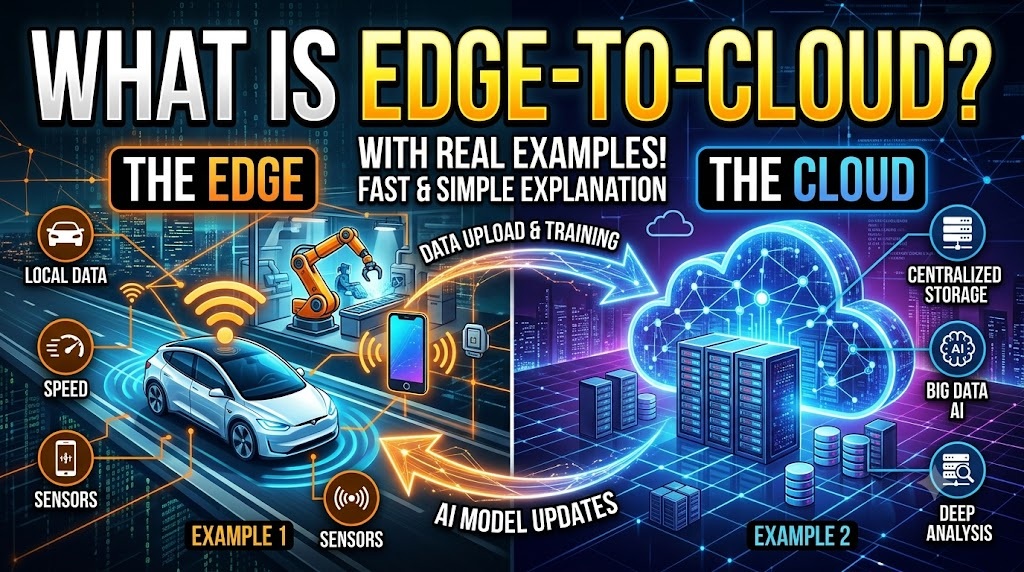
Edge-to-Cloud is a computing architecture that distributes data processing between the “edge” of a network (right where the data is generated) and the centralized “cloud” (massive data centers).
⚡ Instead of sending every single piece of data across the internet to a central server to be processed, an edge-to-cloud system processes critical, time-sensitive data locally and only sends necessary or long-term data to the cloud.
🧩 Understanding the Two Halves
- 📱 The Edge: The physical location where things and people connect to the network. This includes IoT devices, sensors, smartphones, local network gateways, or on-site servers. Processing here is fast but has limited computing power and storage.
- ☁️ The Cloud: Centralized, highly scalable data centers managed by companies like Google, Amazon, or Microsoft. Processing here is incredibly powerful with virtually unlimited storage, but sending data back and forth takes time (latency) and internet bandwidth.
🚗 Real-World Example: Autonomous Vehicles
Self-driving cars are essentially massive data-gathering machines, generating terabytes of data every day through cameras, LIDAR, and sensors.
⚠️ If an autonomous vehicle relied only on the cloud, it would have to send a video feed of a pedestrian stepping into the road to a server hundreds of miles away, wait for the server to process the image, and then wait for the server to send back the command to “hit the brakes.” The delay (latency) in that round trip could result in an accident.
Here is how an Edge-to-Cloud architecture solves this:
🛑 At the Edge (Inside the Car):
- 💻 The car’s onboard computer acts as the “edge.” It instantly processes the real-time sensor data.
- 🧠 It uses local AI models to recognize the pedestrian and immediately triggers the brakes. This happens in milliseconds, ensuring safety.
🏢 To the Cloud (The Data Center):
- 🗑️ The car doesn’t need to save the footage of every empty street it drives down. Instead, the edge computer filters the data.
- 📶 Later, when the car is parked and connected to Wi-Fi, it sends specific, non-urgent data to the cloud—such as a log of the pedestrian encounter, engine performance metrics, or updated mapping data.
- 🔄 The cloud uses this aggregated data from millions of cars to train smarter AI models, which are then pushed back down to the edge (the cars) in the next software update.
🌟 Why use Edge-to-Cloud?
- 🚀 Speed (Zero Latency): Crucial for systems that require real-time reactions, like robotics, medical devices, or manufacturing line fail-safes.
- 📉 Bandwidth Savings: Video cameras or factory sensors generate massive amounts of raw data. Filtering it at the edge means you don’t clog up your internet connection (or pay massive cloud transfer fees) sending useless data.
- 🛡️ Reliability: If the internet connection goes down, edge devices can continue to function and process local tasks, uploading their logs once the connection is restored.
- 🔒 Privacy and Security: Sensitive data (like faces on a home security camera or patient data in a hospital) can be analyzed and anonymized locally at the edge before being sent to public cloud servers.
🌐 ఎడ్జ్-టు-క్లౌడ్ (Edge-to-Cloud) ఆర్కిటెక్చర్
ఎడ్జ్-టు-క్లౌడ్ (Edge-to-Cloud) అనేది నెట్వర్క్ యొక్క “ఎడ్జ్” (డేటా ఎక్కడైతే ఉత్పత్తి అవుతుందో ఆ ప్రదేశం) మరియు కేంద్రీకృత “క్లౌడ్” (భారీ డేటా సెంటర్లు) మధ్య డేటా ప్రాసెసింగ్ను పంపిణీ చేసే ఒక కంప్యూటింగ్ ఆర్కిటెక్చర్.
⚡ ప్రతి ఒక్క డేటాను ప్రాసెస్ చేయడానికి ఇంటర్నెట్ ద్వారా సెంట్రల్ సర్వర్కు పంపడానికి బదులుగా, ఎడ్జ్-టు-క్లౌడ్ సిస్టమ్ అత్యంత ముఖ్యమైన, సమయానికి ప్రాధాన్యత ఉన్న డేటాను స్థానికంగా (లోకల్ గా) ప్రాసెస్ చేస్తుంది మరియు అవసరమైన లేదా దీర్ఘకాలిక డేటాను మాత్రమే క్లౌడ్కు పంపుతుంది.
🧩 ఇందులోని రెండు భాగాలు
దీన్ని సులభంగా అర్థం చేసుకోవడానికి, ఇందులోని రెండు భాగాలను తెలుసుకోవడం ఉపయోగకరంగా ఉంటుంది:
- 📱 ది ఎడ్జ్ (The Edge): వస్తువులు మరియు వ్యక్తులు నెట్వర్క్కి కనెక్ట్ అయ్యే భౌతిక ప్రదేశం. ఇందులో IoT పరికరాలు, సెన్సార్లు, స్మార్ట్ఫోన్లు, లోకల్ నెట్వర్క్ గేట్వేలు లేదా ఆన్-సైట్ సర్వర్లు ఉంటాయి. ఇక్కడ ప్రాసెసింగ్ చాలా వేగంగా జరుగుతుంది కానీ కంప్యూటింగ్ పవర్ మరియు స్టోరేజ్ (నిల్వ సామర్థ్యం) పరిమితంగా ఉంటాయి.
- ☁️ ది క్లౌడ్ (The Cloud): గూగుల్ (Google), అమెజాన్ (Amazon) లేదా మైక్రోసాఫ్ట్ (Microsoft) వంటి కంపెనీలచే నిర్వహించబడే కేంద్రీకృత, అత్యంత స్కేలబుల్ డేటా సెంటర్లు. ఇక్కడ అపరిమితమైన స్టోరేజ్ ఉంటుంది మరియు ప్రాసెసింగ్ అత్యంత శక్తివంతంగా ఉంటుంది. కానీ, ఇక్కడికి డేటాను పంపడం మరియు తిరిగి పొందడం కోసం ఇంటర్నెట్ బ్యాండ్విడ్త్ మరియు కొంత సమయం (లేటెన్సీ) పడుతుంది.
🚗 రియల్-వరల్డ్ ఉదాహరణ: అటానమస్ వెహికల్స్ (డ్రైవర్ లేని కార్లు)
సెల్ఫ్-డ్రైవింగ్ కార్లు ప్రాథమికంగా భారీ డేటా-సేకరించే యంత్రాలు. ఇవి కెమెరాలు, లైడార్ (LIDAR) మరియు సెన్సార్ల ద్వారా ప్రతిరోజూ టెరాబైట్ల కొద్దీ డేటాను ఉత్పత్తి చేస్తాయి.
⚠️ ఒక అటానమస్ కారు కేవలం క్లౌడ్ పైన మాత్రమే ఆధారపడితే, రోడ్డుపైకి వస్తున్న పాదచారుడి వీడియో ఫీడ్ను వందల మైళ్ల దూరంలో ఉన్న సర్వర్కు పంపాలి, ఆ సర్వర్ చిత్రాన్ని ప్రాసెస్ చేసే వరకు వేచి ఉండాలి, ఆపై “బ్రేకులు వేయండి” అని కమాండ్ తిరిగి వచ్చే వరకు ఎదురుచూడాలి. ఆ రాకపోకలలో జరిగే జాప్యం (లేటెన్సీ) వల్ల ప్రమాదం జరిగే అవకాశం ఉంటుంది.
ఎడ్జ్-టు-క్లౌడ్ ఆర్కిటెక్చర్ ఈ సమస్యను ఎలా పరిష్కరిస్తుందో ఇక్కడ చూద్దాం:
🛑 ఎడ్జ్ వద్ద (కారు లోపల):
- 💻 కారులోని ఆన్బోర్డ్ కంప్యూటర్ “ఎడ్జ్” లాగా పనిచేస్తుంది. ఇది రియల్-టైమ్ సెన్సార్ డేటాను తక్షణమే ప్రాసెస్ చేస్తుంది.
- 🧠 ఇది పాదచారులను గుర్తించడానికి లోకల్ AI మోడళ్లను ఉపయోగిస్తుంది మరియు వెంటనే బ్రేకులను వేస్తుంది. ఇది మిల్లీసెకన్లలో జరుగుతుంది, తద్వారా భద్రతను నిర్ధారిస్తుంది.
🏢 క్లౌడ్ కు (డేటా సెంటర్):
- 🗑️ కారు తాను ప్రయాణించే ప్రతి ఖాళీ వీధికి సంబంధించిన ఫుటేజీని సేవ్ చేయాల్సిన అవసరం లేదు. దానికి బదులుగా, ఎడ్జ్ కంప్యూటర్ డేటాను ఫిల్టర్ చేస్తుంది.
- 📶 తర్వాత, కారు పార్క్ చేసి వైఫై (Wi-Fi) కి కనెక్ట్ అయినప్పుడు, అది పాదచారుల ఎన్కౌంటర్ లాగ్, ఇంజిన్ పనితీరు కొలమానాలు లేదా అప్డేట్ చేయబడిన మ్యాపింగ్ డేటా వంటి నిర్దిష్ట, అత్యవసరం కాని డేటాను క్లౌడ్కు పంపుతుంది.
- 🔄 క్లౌడ్ ఈ మిలియన్ల కొద్దీ కార్ల నుండి సేకరించిన డేటాను ఉపయోగించి మరింత మెరుగైన AI మోడళ్లకు శిక్షణ ఇస్తుంది. ఆపై తదుపరి సాఫ్ట్వేర్ అప్డేట్లో ఇవి తిరిగి ఎడ్జ్ (కార్ల) కి పంపబడతాయి.
🌟 ఎడ్జ్-టు-క్లౌడ్ను ఎందుకు ఉపయోగించాలి?
- 🚀 వేగం (జీరో లేటెన్సీ): రోబోటిక్స్, వైద్య పరికరాలు లేదా మ్యానుఫ్యాక్చరింగ్ లైన్ ఫెయిల్-సేఫ్ల వంటి రియల్ టైమ్ ప్రతిస్పందనలు అవసరమయ్యే సిస్టమ్లకు ఇది ఎంతో కీలకం.
- 📉 బ్యాండ్విడ్త్ ఆదా: వీడియో కెమెరాలు లేదా ఫ్యాక్టరీ సెన్సార్లు భారీ మొత్తంలో రా (raw) డేటాను ఉత్పత్తి చేస్తాయి. ఎడ్జ్ వద్ద దీన్ని ఫిల్టర్ చేయడం వల్ల నిరుపయోగమైన డేటాను పంపి ఇంటర్నెట్ కనెక్షన్ను బ్లాక్ చేయాల్సిన (లేదా భారీ క్లౌడ్ బదిలీ ఫీజులు చెల్లించాల్సిన) అవసరం ఉండదు.
- 🛡️ విశ్వసనీయత (రిలయబిలిటీ): ఇంటర్నెట్ కనెక్షన్ పోయినప్పటికీ, ఎడ్జ్ పరికరాలు పని చేస్తూనే ఉంటాయి మరియు లోకల్ పనులను ప్రాసెస్ చేస్తాయి. కనెక్షన్ తిరిగి వచ్చిన తర్వాత తమ లాగ్లను అప్లోడ్ చేస్తాయి.
- 🔒 గోప్యత మరియు భద్రత (ప్రైవసీ మరియు సెక్యూరిటీ): సున్నితమైన డేటాను (హోమ్ సెక్యూరిటీ కెమెరాలోని ముఖాలు లేదా ఆసుపత్రిలోని రోగుల డేటా వంటివి) పబ్లిక్ క్లౌడ్ సర్వర్లకు పంపే ముందు, ఎడ్జ్ వద్ద స్థానికంగా విశ్లేషించి అనామకంగా (anonymized) మార్చవచ్చు.