🚀 *Gen AI Engineer Telugu (Production Focused)*
 🛡️ DevSecOps: Security at Every Step
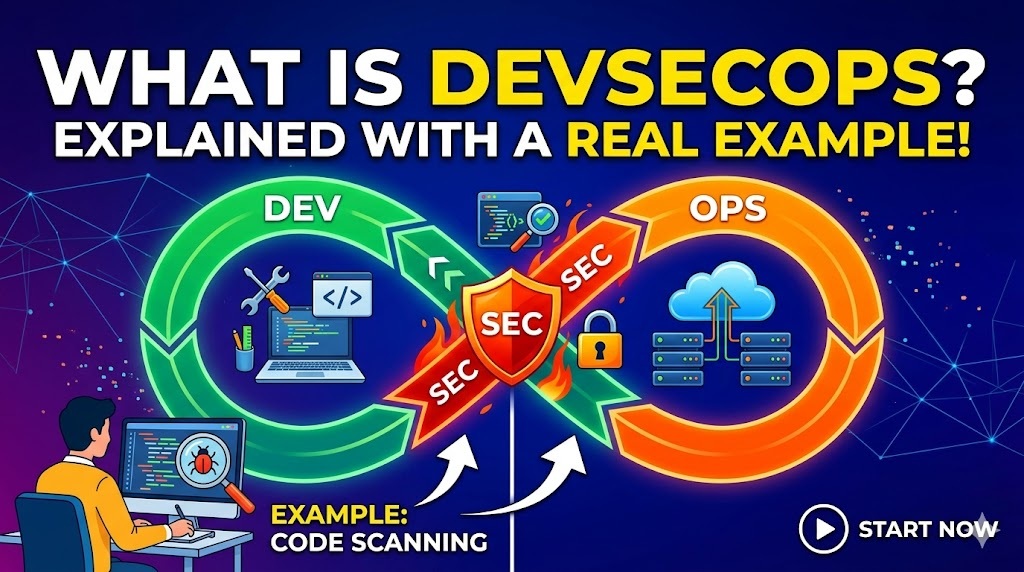
DevSecOps is the practice of integrating security into every stage of the software development lifecycle (SDLC), rather than treating it as a final “check” before release. It’s an evolution of DevOps that bridges the gap between Development, Operations, and Security teams, turning security into a shared, automated responsibility.
⬅️ The “Shift Left” Philosophy
The core idea is to move security considerations to the earliest possible point in the development process, catching vulnerabilities before they become expensive problems.
🏛️ The Core Pillars of DevSecOps
- 🤝 Shared Responsibility: Security isn’t just for the “Security Team.” Developers write secure code, and Ops ensures the infrastructure is hardened.
- 🤖 Automation: Security checks—like vulnerability scanning—are baked directly into the automated CI/CD pipeline.
- 📡 Continuous Monitoring: Security doesn’t stop at launch. Software is constantly monitored for new threats in the live production environment.
- ⚡ Speed & Agility: By finding bugs early, teams avoid the “bottlenecks” and last-minute delays caused by failed security audits right before a big launch.
🛣️ How it Works: The DevSecOps Workflow
In a traditional model, security is like a toll booth 🛑 at the very end of a highway. In DevSecOps, security is like the guardrails, sensors, and traffic lights 🚦 integrated into the road itself.
| Stage | 🛠️ Security Action |
| 📝 Plan | Threat modeling to identify potential risks before coding starts. |
| 💻 Code | IDE plugins that flag insecure coding patterns in real-time. |
| 🏗️ Build | SAST (Static Testing) tools scan source code for vulnerabilities. |
| 🧪 Test | DAST (Dynamic Testing) tools test the running app for flaws like SQL injection. |
| 🚀 Deploy | IaC scanning ensures cloud environment templates are locked down. |
| 📊 Monitor | Real-time alerts trigger if the application behaves strangely (e.g., data spikes). |
🏦 A Practical Example: The Mobile Banking App
Imagine a team building a feature to deposit checks via a phone camera.
❌ The Old Way (DevOps without Sec)
- Dev pushes code; Ops deploys the app.
- A week later, Security audits the app and finds check images are stored in an unencrypted folder.
- 💥 Result: The app must be pulled, developers must drop everything to fix it, and the company faces a massive data breach risk.
✅ The DevSecOps Way
- Plan: The team identifies check images as “Sensitive Data” that must be encrypted.
- Code: As a developer writes the logic, an automated tool warns them if they aren’t using the approved encryption library.
- Build: An automated scanner finds an outdated library with a vulnerability and automatically fails the build.
- Deploy: The system verifies the cloud storage folder has “Private” access only.
- ✨ Result: The feature launches on time with security “baked in” from day one.
🛡️ DevSecOps: ప్రతి దశలోనూ రక్షణ
DevSecOps అంటే software development lifecycle (SDLC) లోని ప్రతి stage లో security ని integrate చేయడం. సాదాసీదాగా release కి ముందు చేసే final “check” లా కాకుండా, security ని process మొదట్లోనే add చేస్తారు. ఇది DevOps కి ఒక evolution లాంటిది. ఇక్కడ Development, Operations, మరియు Security teams అన్నీ కలిసి పనిచేస్తాయి, తద్వారా security అనేది ఒక shared మరియు automated responsibility అవుతుంది.
⬅️ “Shift Left” Philosophy
దీని main philosophy “Shift Left”—అంటే security ని development process లో సాధ్యమైనంత త్వరగా (earliest point లో) start చేయడం.
🏛️ DevSecOps యొక్క ముఖ్యమైన పిల్లర్స్ (Core Pillars)
- 🤝 Shared Responsibility: Security అనేది కేవలం “Security Team” బాధ్యత మాత్రమే కాదు, అందరి responsibility. Developers secure code రాయాలి, మరియు Ops టీమ్ secure infrastructure ని ensure చేయాలి.
- 🤖 Automation: Vulnerabilities ని scan చేసే security checks ని automated CI/CD pipeline లోనే build చేస్తారు.
- 👁️🗨️ Continuous Monitoring: Deployment అయిపోగానే security పని అయిపోదు; production environment లో ఏవైనా కొత్త threats వస్తున్నాయేమో ఎప్పుడూ monitor చేస్తూనే ఉండాలి.
- ⚡ Speed & Agility: Bugs ని ముందే catch చేయడం వల్ల, launch అయ్యే టైమ్లో security audit fail అయ్యి పని ఆగిపోయే (bottleneck) పరిస్థితి రాదు.
🚦 ఇది ఎలా పనిచేస్తుంది: DevSecOps Workflow
సాధారణంగా పాత పద్ధతిలో security అనేది ఒక highway చివర ఉండే toll booth 🛑 లాంటిది. కానీ DevSecOps లో security అనేది రోడ్డుకు ఇరువైపులా ఉండే guardrails, sensors, మరియు traffic lights 🛣️ లాగా మొత్తం ప్రయాణంలో భాగమై ఉంటుంది.
| Stage | 🛠️ Security Action |
| 📝 Plan | Code రాయకముందే Threat modeling ద్వారా రాబోయే risks ని అంచనా వేస్తారు. |
| 💻 Code | Developers వాడే IDE plugins ద్వారా insecure coding patterns ని real-time లోనే గుర్తిస్తారు. |
| 🏗️ Build | SAST (Static Testing) tools వాడి source code లోని లోపాలను scan చేస్తారు. |
| 🧪 Test | DAST (Dynamic Testing) tools తో running app లో flaws ని test చేస్తారు. |
| 🚀 Deploy | IaC templates ని scan చేసి cloud environment safe గా ఉందో లేదో చూస్తారు. |
| 📊 Monitor | Application behavior లో ఏవైనా తేడాలు ఉంటే వెంటనే Real-time alerts వస్తాయి. |
🏦 ఒక చిన్న ఉదాహరణ: Mobile Banking App
ఒక banking app లో కెమెరా ద్వారా చెక్కులను deposit చేసే కొత్త feature ని build చేస్తున్నారని అనుకుందాం.
❌ పాత పద్ధతి (DevOps without Sec)
- Dev టీమ్ code రాసి పంపిస్తుంది; Ops టీమ్ deploy చేస్తుంది.
- వారం తర్వాత Security టీమ్ audit చేసి, చెక్కుల ఫోటోలు unencrypted folder లో ఉన్నాయని కనుగొంటుంది.
- 💥 Result: App ని వెనక్కి తీసుకోవాలి, పనులన్నీ ఆపి మళ్ళీ మొదటి నుండి చేయాలి. ఇది data breach కి దారితీస్తుంది.
✅ DevSecOps పద్ధతి
- Plan: ప్లానింగ్ లోనే చెక్కుల ఫోటోలు “Sensitive Data” అని గుర్తించి, encryption ని తప్పనిసరి చేస్తారు.
- Code: డెవలపర్ code రాసేటప్పుడే, సరైన encryption వాడకపోతే automated tool alert ఇస్తుంది.
- Build: Code push చేసినప్పుడు, scanner vulnerabilities ని పట్టుకుని build ని fail చేస్తుంది.
- Deploy: Cloud settings లో ఆ ఫోటోలు “Private” గా ఉన్నాయో లేదో system check చేస్తుంది.
- ✨ Result: Feature సకాలంలో launch అవుతుంది, మరియు security అనేది మొదటి రోజు నుండే app లో “baked in” అయి ఉంటుంది.