🚀 *Gen AI Engineer (Production Focused)*
 🤖 What is Swarm Robotics?
Swarm robotics is a field of artificial intelligence and engineering where large numbers of relatively simple robots work together to achieve complex tasks. The concept is heavily inspired by biological systems—like 🐜 ant colonies, 🦅 flocks of birds, or 🐝 swarms of bees—where individual members follow basic rules, but their collective behavior creates a highly intelligent, coordinated group.
⚙️ Core Characteristics
Unlike traditional robotic systems that rely on a central “brain” or a human operator directing every move, robotic swarms operate completely without centralized control.
- 🔗 Decentralized Coordination: There is no leader or central command. Robots only interact with their immediate environment and the neighbors closest to them.
- 🧩 Emergent Behavior: Complex group actions (like forming structures, transporting heavy objects, or mapping a disaster zone) naturally emerge from the simple local interactions between individual robots.
- 🛡️ Scalability and Resilience: Because every robot runs the exact same simple program, you can add or remove hundreds of robots without having to reprogram the system. If several robots break or get stuck, the rest of the swarm simply works around them, making the system highly fault-tolerant.
🔬 Real-World Example: Harvard’s Kilobots
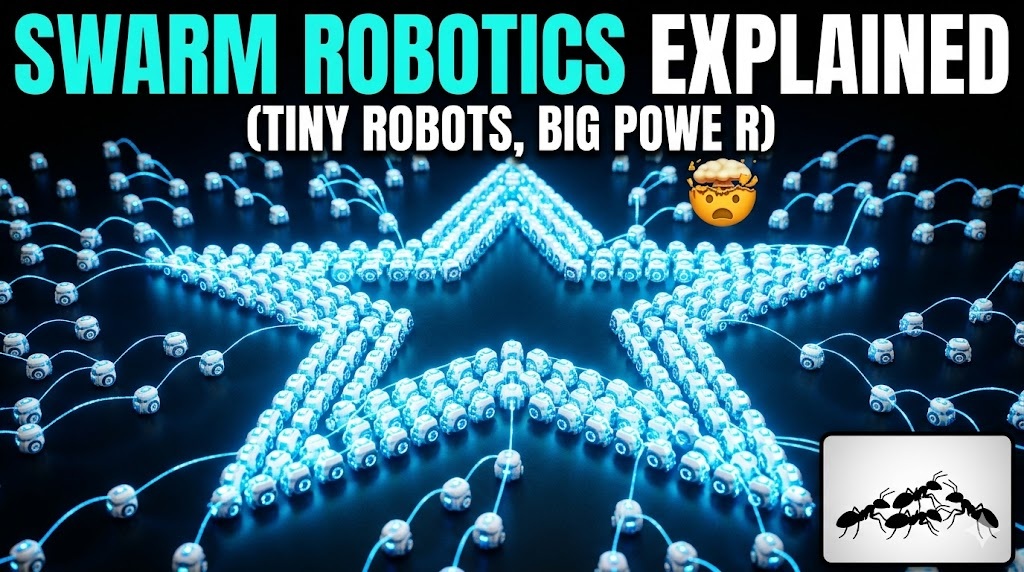
One of the most famous demonstrations of swarm robotics is the Kilobot project developed by Harvard University. Researchers created a swarm of 1,024 🪙 coin-sized robots designed to be as cheap and simple as possible.
Here is how they operate as a collective:
- 〰️ Movement: Instead of complex wheels, they use two simple vibration motors (similar to those in a cell phone) to slowly slide across a flat surface.
- 🔴 Sensing: They have no GPS, cameras, or complex navigation tools. They simply bounce infrared light off the surface below them to “talk” to the robots immediately next to them and measure the distance between them.
- ⭐️ Self-Assembly: When researchers give the swarm a command to form a specific shape—such as a five-pointed star or a wrench—they do not assign specific coordinates to any individual robot. Instead, they give the entire swarm basic mathematical rules for how to measure their relative positions and move along the edges of the group.
🔄 The Magic of Adaptation
Slowly, the robots independently slide around each other, constantly communicating with their neighbors to verify their positions, until the shape organically forms. If a robot gets knocked out of place, the surrounding robots adapt and the swarm automatically corrects for it. This mimics how thousands of 🐜 fire ants instinctively link their bodies together to form a living bridge without ever needing a master blueprint.
🤖 Swarm Robotics అనేది artificial intelligence మరియు engineering కి సంబంధించిన ఒక ఫీల్డ్, ఇక్కడ పెద్ద సంఖ్యలో ఉండే సింపుల్ robots కలిసి పనిచేసి complex టాస్క్లను పూర్తి చేస్తాయి. ఈ కాన్సెప్ట్ ఎక్కువగా biological systems—చీమల గుంపులు 🐜, పక్షుల గుంపులు 🦅, లేదా తేనెటీగల swarms 🐝 వంటివి—నుండి inspire అయ్యింది. ఇందులో ప్రతీ మెంబర్ బేసిక్ రూల్స్ను ఫాలో అవుతాయి, కానీ వాటన్నిటి collective బిహేవియర్ ఒక హైలీ intelligent మరియు coordinated గ్రూప్ను క్రియేట్ చేస్తుంది.
⚙️ Core Characteristics (ముఖ్య లక్షణాలు)
సెంట్రల్ “బ్రెయిన్” లేదా ప్రతి మూవ్ను డైరెక్ట్ చేసే హ్యూమన్ ఆపరేటర్పై ఆధారపడే traditional రోబోటిక్ సిస్టమ్స్ లాగా కాకుండా, ఈ robotic swarms పూర్తిగా centralized control లేకుండా పనిచేస్తాయి.
- 🔗 Decentralized Coordination: ఇందులో ఎలాంటి లీడర్ లేదా సెంట్రల్ కమాండ్ ఉండదు. రోబోట్స్ కేవలం వాటి చుట్టూ ఉన్న environment మరియు వాటికి దగ్గరగా ఉన్న neighbors తో మాత్రమే interact అవుతాయి.
- 🧩 Emergent Behavior: ఇండివిడ్యువల్ రోబోట్ల మధ్య జరిగే సింపుల్ లోకల్ interactions ద్వారా complex గ్రూప్ యాక్షన్స్ (స్ట్రక్చర్స్ ఫామ్ చేయడం, బరువైన ఆబ్జెక్ట్స్ను ట్రాన్స్పోర్ట్ చేయడం లేదా disaster జోన్ను మ్యాప్ చేయడం వంటివి) నాచురల్ గా emerge అవుతాయి.
- 🛡️ Scalability and Resilience: ప్రతి రోబోట్ ఒకే సింపుల్ ప్రోగ్రామ్ను రన్ చేయడం వల్ల, మీరు సిస్టమ్ను రీప్రోగ్రామ్ చేయకుండానే వందలాది రోబోట్లను యాడ్ చేయవచ్చు లేదా రిమూవ్ చేయవచ్చు. కొన్ని రోబోట్లు పాడైనా లేదా ఇరుక్కుపోయినా, మిగిలిన swarm వాటి చుట్టూ పనిచేసుకుంటూ వెళ్తుంది, దీనివల్ల ఈ సిస్టమ్ హైలీ fault-tolerant గా ఉంటుంది.
🔬 Real-World Example: Harvard’s Kilobots
Swarm robotics కి సంబంధించి వన్ ఆఫ్ ది మోస్ట్ ఫేమస్ demonstration, హార్వర్డ్ యూనివర్సిటీ డెవలప్ చేసిన Kilobot project. రిసెర్చర్స్ 1,024 కాయిన్ సైజు 🪙 రోబోట్స్తో ఒక swarm ను క్రియేట్ చేశారు, ఇవి ఎంత వీలైతే అంత చీప్ మరియు సింపుల్ గా ఉండేలా డిజైన్ చేయబడ్డాయి.
అవి ఒక collective గా ఎలా ఆపరేట్ చేస్తాయో ఇక్కడ చూడండి:
- 〰️ Movement: Complex వీల్స్కు బదులుగా, అవి ఒక ఫ్లాట్ సర్ఫేస్పై స్లోగా స్లైడ్ అవ్వడానికి రెండు సింపుల్ vibration మోటార్లను (సెల్ ఫోన్లో ఉండే వాటిలాంటివి) యూజ్ చేస్తాయి.
- 🔴 Sensing: వాటికి ఎలాంటి GPS, కెమెరాలు లేదా complex నావిగేషన్ టూల్స్ ఉండవు. వాటి పక్కనే ఉన్న రోబోట్స్తో “మాట్లాడటానికి” మరియు వాటి మధ్య దూరాన్ని measure చేయడానికి, కేవలం వాటి కింద ఉన్న సర్ఫేస్పై infrared లైట్ను బౌన్స్ చేస్తాయి.
- ⭐️ Self-Assembly: రీసెర్చర్స్ ఏదైనా నిర్దిష్టమైన షేప్ను (ఫైవ్-పాయింటెడ్ స్టార్ లేదా రెంచ్ లాంటివి) ఫామ్ చేయమని swarm కి కమాండ్ ఇచ్చినప్పుడు, వారు ఏ ఒక్క రోబోట్కు నిర్దిష్ట coordinates అసైన్ చేయరు. దానికి బదులుగా, వాటన్నిటి relative positions ఎలా కొలవాలి మరియు గ్రూప్ ఎడ్జెస్ వెంట ఎలా మూవ్ అవ్వాలి అనే దానికి బేసిక్ mathematical rules ను మొత్తం swarm కి ఇస్తారు.
🔄 The Magic of Adaptation
ఆ షేప్ ఆర్గానిక్ గా ఫామ్ అయ్యే వరకు, రోబోట్స్ స్లోగా ఒకదాని చుట్టూ మరొకటి independently గా స్లైడ్ అవుతూ, వాటి పొజిషన్స్ను వెరిఫై చేసుకోవడానికి ఎప్పుడూ తమ neighbors తో కమ్యూనికేట్ అవుతుంటాయి. ఒకవేళ ఏదైనా రోబోట్ దాని ప్లేస్ నుంచి పక్కకు జరిగితే, చుట్టుపక్కల ఉన్న రోబోట్స్ ఎడాప్ట్ అవుతాయి మరియు swarm ఆటోమేటిక్గా దాన్ని కరెక్ట్ చేస్తుంది. వేలాది ఫైర్ యాంట్స్ (చీమలు 🐜) ఎలాంటి మాస్టర్ బ్లూప్రింట్ అవసరం లేకుండానే ఒక లివింగ్ బ్రిడ్జ్ను ఫామ్ చేయడానికి తమ బాడీలను instinct గా ఎలా లింక్ చేసుకుంటాయో ఇది అచ్చు అలాగే mimics చేస్తుంది