🚀 *Gen AI Engineer (Production Focused)*
 🌩️ What is Chaos Engineering?
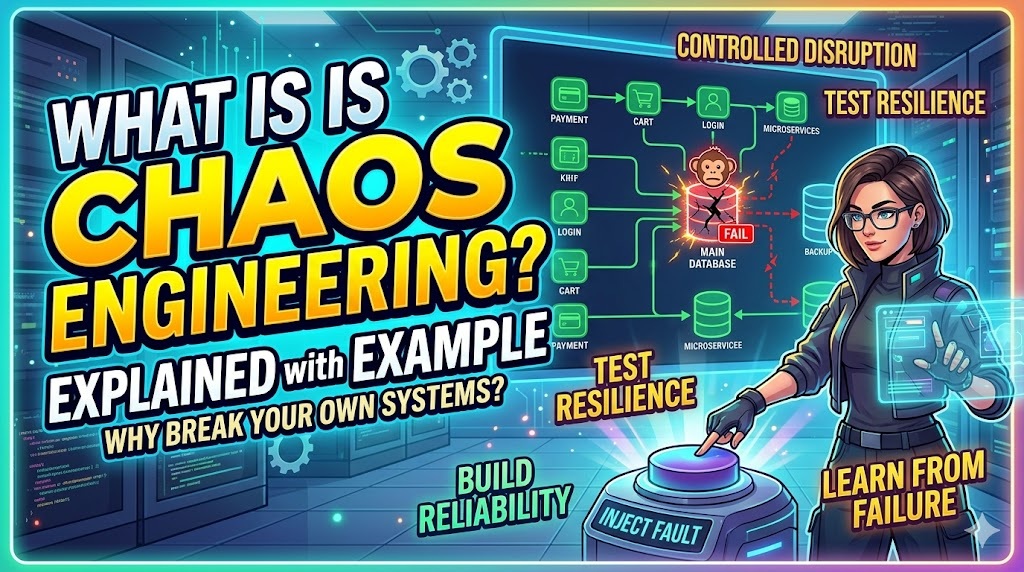
🛡️ Chaos Engineering is the practice of intentionally introducing failures, faults, and disruptions into a software system to test its resilience. The goal is to identify hidden weaknesses and fix them before they cause a catastrophic outage in production.
🚒 Think of it like a fire drill or a 💉 vaccine for your software. Instead of waiting for a real server crash or network outage to see if your system can handle it, you artificially trigger a controlled “disaster” to observe how the system reacts and ensure your fail-safes (like backups, auto-scaling, and error handling) actually work.
⚙️ The Core Principles
A typical Chaos Engineering experiment follows a specific scientific method:
- 📊 Define the “Steady State”: Establish what normal behavior looks like (e.g., “99% of user checkouts succeed in under 200ms”).
- 💡 Form a Hypothesis: Predict what will happen when a failure occurs (e.g., “If the product recommendation database crashes, the main checkout flow will remain unaffected, and users will simply not see recommendations”).
- ⚡ Inject Chaos: Introduce real-world variables, such as crashing a server, disconnecting a data center, or artificially slowing down the network.
- 🔍 Observe and Learn: Measure the system’s actual behavior against your steady state. If the checkout flow breaks because it was secretly dependent on the recommendation database, you have found a critical vulnerability to fix.
🐒 A Real-World Example: Netflix’s “Chaos Monkey”
☁️ The concept was popularized by Netflix when they moved to the cloud. They realized that in cloud environments, servers can disappear at any time without warning. To ensure their streaming service wouldn’t go down when this happened, they built a tool called Chaos Monkey.
🛠️ Chaos Monkey’s only job was to randomly select a server in Netflix’s production network and shut it down. Because engineers knew Chaos Monkey was constantly roaming the network shutting things down, they were forced to build their applications to be highly resilient, automated, and capable of instantly shifting traffic to healthy servers.
🕹️ Interactive Chaos Engineering Simulator
💻 To truly understand how this works in practice, try the simulation below. You are managing a microservices architecture for an e-commerce store. Use the controls to inject faults (chaos) into the system and observe how modern resilience patterns (like Fallbacks and Circuit Breakers) keep the system alive.
🌩️ ఖయాస్ ఇంజనీరింగ్ (Chaos Engineering) అంటే ఏమిటి?
🛡️ ఖయాస్ ఇంజనీరింగ్ అనేది ఒక సాఫ్ట్వేర్ సిస్టమ్ యొక్క తట్టుకునే శక్తిని (resilience) పరీక్షించడానికి, ఉద్దేశపూర్వకంగా అందులో వైఫల్యాలు, లోపాలు మరియు అంతరాయాలను కలిగించే ఒక పద్ధతి. ప్రొడక్షన్లో (నిజమైన వినియోగంలో) పెద్ద ఎత్తున సిస్టమ్ నిలిచిపోకముందే, దానిలోని దాగి ఉన్న బలహీనతలను గుర్తించి వాటిని సరిదిద్దడమే దీని ముఖ్య ఉద్దేశ్యం.
🚒 దీనిని మీ సాఫ్ట్వేర్ కోసం ఒక ఫైర్ డ్రిల్ (అగ్నిప్రమాద ముందస్తు శిక్షణ) లేదా ఒక 💉 వ్యాక్సిన్ లాంటిదిగా భావించవచ్చు. మీ సిస్టమ్ తట్టుకోగలదో లేదో చూడటానికి నిజమైన సర్వర్ క్రాష్ లేదా నెట్వర్క్ అంతరాయం ఏర్పడే వరకు వేచి ఉండేదానికంటే, మీరే కృత్రిమంగా ఒక నియంత్రిత “విపత్తును” సృష్టించి, సిస్టమ్ ఎలా స్పందిస్తుందో గమనించవచ్చు. అలాగే మీ సేఫ్గార్డ్లు (బ్యాకప్లు, ఆటో-స్కేలింగ్ మరియు ఎర్రర్ హ్యాండ్లింగ్ వంటివి) నిజంగా పని చేస్తున్నాయో లేదో దీని ద్వారా నిర్ధారించుకోవచ్చు.
⚙️ ప్రధాన సూత్రాలు (The Core Principles)
ఒక సాధారణ ఖయాస్ ఇంజనీరింగ్ ప్రయోగం ఒక నిర్దిష్ట శాస్త్రీయ పద్ధతిని అనుసరిస్తుంది:
- 📊 “స్టెడీ స్టేట్” (స్థిర స్థితి)ని నిర్వచించడం: సిస్టమ్ యొక్క సాధారణ ప్రవర్తన ఎలా ఉందో ముందే నిర్ధారించడం (ఉదాహరణకు: “99% మంది వినియోగదారుల చెకౌట్లు 200 మిల్లీసెకన్ల కంటే తక్కువ సమయంలో విజయవంతం అవ్వడం”).
- 💡 ఒక ఊహను (Hypothesis) సిద్ధం చేయడం: ఏదైనా వైఫల్యం సంభవించినప్పుడు ఏం జరుగుతుందో ముందే అంచనా వేయడం (ఉదాహరణకు: “ప్రొడక్ట్ రికమండేషన్ డేటాబేస్ క్రాష్ అయినా, ప్రధాన చెకౌట్ ప్రక్రియకు ఎలాంటి అంతరాయం కలగదు, వినియోగదారులకు కేవలం రికమండేషన్స్ మాత్రమే కనిపించవు”).
- ⚡ ఖయాస్ను ప్రవేశపెట్టడం (Inject Chaos): సర్వర్ను క్రాష్ చేయడం, డేటా సెంటర్ను డిస్కనెక్ట్ చేయడం లేదా నెట్వర్క్ను కృత్రిమంగా నెమ్మదింపజేయడం వంటి నిజ-ప్రపంచ సమస్యలను సిస్టమ్లోకి తీసుకురావడం.
- 🔍 గమనించడం మరియు నేర్చుకోవడం: మీ స్థిర స్థితితో (steady state) పోల్చి సిస్టమ్ యొక్క అసలు ప్రవర్తనను కొలవడం. ఒకవేళ రికమండేషన్ డేటాబేస్పై ఆధారపడటం వల్ల చెకౌట్ ప్రక్రియ ఆగిపోతే, మీరు సరిదిద్దాల్సిన ఒక పెద్ద లోపాన్ని గుర్తించినట్లే.
🐒 నిజ-ప్రపంచ ఉదాహరణ: నెట్ఫ్లిక్స్ యొక్క “ఖయాస్ మంకీ” (Chaos Monkey)
☁️ నెట్ఫ్లిక్స్ సంస్థ క్లౌడ్లోకి మారినప్పుడు ఈ విధానాన్ని ప్రాచుర్యంలోకి తెచ్చింది. క్లౌడ్ వాతావరణంలో, సర్వర్లు ఎప్పుడైనా ఎలాంటి ముందస్తు హెచ్చరిక లేకుండా నిలిచిపోవచ్చని వారు గ్రహించారు. అలా జరిగినప్పుడు తమ స్ట్రీమింగ్ సర్వీస్ ఆగిపోకుండా చూసుకోవడానికి, వారు “ఖయాస్ మంకీ” (Chaos Monkey) అనే టూల్ను తయారు చేశారు.
🛠️ ఖయాస్ మంకీ యొక్క ఏకైక పని నెట్ఫ్లిక్స్ ప్రొడక్షన్ నెట్వర్క్లోని ఏదో ఒక సర్వర్ను యాదృచ్ఛికంగా (randomగా) ఎంపిక చేసి, దానిని షట్ డౌన్ చేయడం. ఖయాస్ మంకీ నిరంతరం నెట్వర్క్లో తిరుగుతూ సర్వర్లను డౌన్ చేస్తుందని ఇంజనీర్లకు తెలుసు కాబట్టి, వారు తమ అప్లికేషన్లను అత్యంత సురక్షితంగా, ఆటోమేటెడ్గా మరియు ట్రాఫిక్ను తక్షణమే వేరే మంచి సర్వర్లలోకి మార్చేలా నిర్మించవలసి వచ్చింది.
🕹️ ఇంటరాక్టివ్ ఖయాస్ ఇంజనీరింగ్ సిమ్యులేటర్ (Interactive Chaos Engineering Simulator)
💻 ఇది ఆచరణలో ఎలా పని చేస్తుందో నిజంగా అర్థం చేసుకోవడానికి, క్రింది సిమ్యులేషన్ను ప్రయత్నించండి. మీరు ఒక ఇ-కామర్స్ స్టోర్ కోసం మైక్రోసర్వీసెస్ ఆర్కిటెక్చర్ను నిర్వహిస్తున్నారని ఊహించుకోండి. సిస్టమ్లోకి లోపాలను (ఖయాస్) ప్రవేశపెట్టడానికి కంట్రోల్స్ను ఉపయోగించండి మరియు ఆధునిక రెసిలియన్స్ పద్ధతులు (ఫాల్బ్యాక్లు మరియు సర్క్యూట్ బ్రేకర్లు వంటివి) సిస్టమ్ను ఎలా సజీవంగా ఉంచుతాయో గమనించండి.