🚀 *Gen AI Engineer (Production Focused)*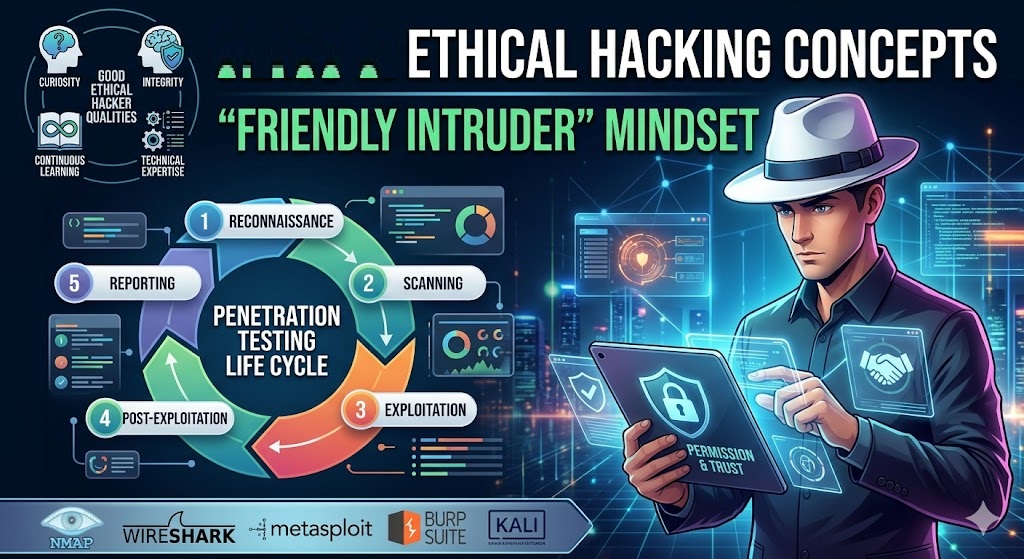
Ethical Hacking & Penetration Testing
Introduction:
Generally, the term “hacking” is associated with destroying systems or stealing data. However, hacking with good intentions to protect and secure a system is called “Ethical Hacking.”
Let’s understand this through a simple example.
Example: A Bus Booking Website
1. Making the Website Live:
Imagine you created a new travel website that allows users to book bus tickets online. You upload this website to a server, making it ‘live’ for the public to use.
2. Potential Problems & Threats:
Once the website is live, individuals with malicious intent might try to attack it. Here are a few things they could do:
- Payment Skipping: Exploiting the system to bypass the payment gateway and book tickets for free.
- Website Crashing: Hacking the website to make it crash, rendering it inaccessible to legitimate users.
- Unauthorized Access: Taking advantage of flaws in the login page to illegally access the admin dashboard or other users’ accounts.
3. The Solution – Penetration Testing:
To prevent these types of damages from occurring, we hire an ethical hacker. The process carried out by this ethical hacker is known as “Penetration Testing” (or Pen Testing).
- What is Penetration Testing?It is the process of attacking and testing our own website exactly like a malicious hacker would, but doing so before real hackers get the chance.
- The Benefit:By testing the website this way, we can proactively identify any flaws, loopholes, or vulnerabilities. Once found, we can immediately fix them, making the website highly secure and safe from outside attacks.
Conclusion:
The process of proactively finding and fixing loopholes in a system or website before malicious actors can exploit them is the core of Ethical Hacking and Penetration Testing.
ఎథికల్ హ్యాకింగ్ (Ethical Hacking) & పెనెట్రేషన్ టెస్టింగ్ (Penetration Testing)
పరిచయం:
సాధారణంగా ‘హ్యాకింగ్’ అంటే కంప్యూటర్లను నాశనం చేయడం లేదా దొంగిలించడం అని అనుకుంటారు. కానీ, ఒక మంచి ఉద్దేశ్యంతో, సిస్టమ్ను రక్షించడానికి చేసే హ్యాకింగ్ను “ఎథికల్ హ్యాకింగ్” అంటారు.
దీన్ని ఒక చిన్న ఉదాహరణ ద్వారా అర్థం చేసుకుందాం.
ఉదాహరణ: బస్ బుకింగ్ వెబ్సైట్ (Bus Booking Website)
1. వెబ్సైట్ లైవ్ (Website Creation):
మీరు ఒక కొత్త ట్రావెల్ వెబ్సైట్ను క్రియేట్ చేశారు అనుకుందాం. అందులో యూజర్లు తమకు కావాల్సిన బస్సులను ఆన్లైన్లో బుక్ చేసుకునే సదుపాయం ఉంది. ఆ వెబ్సైట్ను మీరు సర్వర్లో అప్లోడ్ చేసి, ప్రజలందరూ వాడుకోవడానికి వీలుగా ‘లైవ్ (Live)’ లోకి తీసుకొచ్చారు.
2. ఎదురయ్యే సమస్యలు (Problems & Threats):
వెబ్సైట్ లైవ్ లోకి రాగానే, కొంతమంది చెడు ఉద్దేశం ఉన్న హ్యాకర్లు ఆ వెబ్సైట్ మీద దాడి చేసే అవకాశం ఉంది. వారు ఎలాంటి పనులు చేయవచ్చంటే:
- పేమెంట్ స్కిప్ (Payment Skip): అసలు డబ్బులు చెల్లించకుండానే సిస్టమ్ను మోసం చేసి ఉచితంగా టిక్కెట్లు బుక్ చేసుకోవడం.
- వెబ్సైట్ క్రాష్ (Website Crash): వెబ్సైట్ను హ్యాక్ చేసి, అది ఎవరికీ ఓపెన్ కాకుండా, అసలు పనిచేయకుండా చేయడం.
- లాగిన్ సమస్యలు (Login Issues): లాగిన్ పేజీలో ఉన్న లోపాలను వాడుకుని, అడ్మిన్ ఖాతాలోకి లేదా ఇతరుల ఖాతాల్లోకి చట్టవిరుద్ధంగా ప్రవేశించడం.
3. పరిష్కారం – పెనెట్రేషన్ టెస్టింగ్ (Penetration Testing):
ఇలాంటి నష్టాలు జరగకుండా ముందే నిరోధించడానికి మనం ఒక ఎథికల్ హ్యాకర్ను నియమించుకుంటాము. ఆ ఎథికల్ హ్యాకర్ చేసే పనినే “పెనెట్రేషన్ టెస్టింగ్ (Pen Testing)” అంటారు.
- పెనెట్రేషన్ టెస్టింగ్ అంటే ఏమిటి?చెడ్డ హ్యాకర్లు మన వెబ్సైట్పై దాడి చేసి నష్టం కలిగించడానికి ముందే, మనమే మన వెబ్సైట్ను ఒక హ్యాకర్ లాగా టెస్ట్ చేయడం.
- దీని వల్ల లాభం:ఇలా టెస్ట్ చేయడం ద్వారా వెబ్సైట్లో ఎక్కడెక్కడ లోపాలు (Loop holes లేదా Vulnerabilities) ఉన్నాయో మనం ముందే కనుక్కోవచ్చు. ఆ లోపాలను కనుక్కున్న వెంటనే వాటిని సరిచేసి (Fix చేసి), మన వెబ్సైట్ను ఎవరూ హ్యాక్ చేయలేకుండా సురక్షితంగా (Secure) మార్చుకోవచ్చు.
ముగింపు (Conclusion):
ఒక సిస్టమ్ లేదా వెబ్సైట్లో ఉన్న లోపాలను (Loop holes) చెడ్డవారు వాడుకోకముందే, మనమే ముందే గుర్తించి, వాటిని సరిచేసి సిస్టమ్ను రక్షించే ప్రక్రియే ఎథికల్ హ్యాకింగ్ / పెనెట్రేషన్ టెస్టింగ్.
Class Notes: Introduction to Ethical Hacking
1. The Cybersecurity Landscape
- The Threat: Cyber threats are increasingly prevalent in the modern digital age.
- The Impact: Malicious hackers actively exploit vulnerabilities to steal sensitive data, disrupt services, and cause financial loss.
- The Reality: Standard defenses like firewalls and antivirus software are essential but not always enough to stop targeted attacks.
2. What is an Ethical Hacker?
- Definition: A security professional who acts as a “friendly intruder.”
- Objective: To proactively identify and fix weak spots in a network or system before malicious hackers can exploit them.
- Value: They protect sensitive information (customer data, financial records, intellectual property), secure systems, and safeguard digital privacy.
- Industry Demand: Ethical hacking is a critical cybersecurity skill with continuously growing demand.
3. Course Scope & Objectives
The goal of the course is to build a solid foundation so students understand how hackers think and operate. Key topics to be covered include:
- The fundamental differences between ethical and malicious hacking.
- Identifying the different types of hackers.
- Hacking methodologies (e.g., White Box and Black Box testing).
- The legal and ethical frameworks that govern the cybersecurity field.
4. The Ethical Hacker’s Mindset
Success in this field requires three core traits:
- Curiosity: A desire to solve puzzles and understand the inner workings of systems. Constantly asking, “How does this work?” and “How can this be exploited?”
- Ethics: Understanding that “ethical” is a strict responsibility, not just a label. Skills must exclusively be used for good.
- Continuous Learning: Committing to being a lifelong learner. As technology evolves rapidly, cyber threats evolve right alongside it; professionals must stay ahead of the curve.
5. Ground Rules for Practice
- Respect Privacy: Hacking techniques must never be used to harm individuals or organizations.
- Practice Legally: Only deploy hacking techniques in environments where you have explicit permission to do so.
- Ask Questions: Curiosity drives understanding—no question is too small or too basic.
(క్లాస్ నోట్స్): ఎథికల్ హ్యాకింగ్ పరిచయం
1. సైబర్సెక్యూరిటీ ప్రస్తుత పరిస్థితి (The Cybersecurity Landscape)
- ముప్పు (The Threat): ఆధునిక డిజిటల్ యుగంలో సైబర్ ముప్పులు అంతకంతకూ పెరిగిపోతున్నాయి.
- ప్రభావం (The Impact): హానికరమైన హ్యాకర్లు సున్నితమైన డేటాను దొంగిలించడానికి, సేవలకు అంతరాయం కలిగించడానికి మరియు ఆర్థిక నష్టాన్ని కలిగించడానికి సిస్టమ్లోని లోపాలను వాడుకుంటారు.
- వాస్తవం (The Reality): ఫైర్వాల్స్ మరియు యాంటీవైరస్ సాఫ్ట్వేర్ లాంటి సాధారణ రక్షణ చర్యలు అవసరమే అయినప్పటికీ, నిర్దిష్ట దాడులను ఆపడానికి అవి ఎల్లప్పుడూ సరిపోవు.
2. ఎథికల్ హ్యాకర్ అంటే ఎవరు? (What is an Ethical Hacker?)
- నిర్వచనం (Definition): “స్నేహపూర్వక చొరబాటుదారుడిగా” వ్యవహరించే ఒక సెక్యూరిటీ నిపుణుడు.
- లక్ష్యం (Objective): హానికరమైన హ్యాకర్లు నెట్వర్క్ లేదా సిస్టమ్లోని లోపాలను వాడుకుని నష్టం కలిగించే లోపే, వాటిని ముందుగానే గుర్తించి సరిదిద్దడం.
- ప్రాముఖ్యత (Value): వీరు సున్నితమైన సమాచారాన్ని (కస్టమర్ డేటా, ఆర్థిక రికార్డులు, మేధో సంపత్తి), సిస్టమ్లను సురక్షితంగా ఉంచుతారు మరియు డిజిటల్ గోప్యతను కాపాడతారు.
- పరిశ్రమలో డిమాండ్ (Industry Demand): ఎథికల్ హ్యాకింగ్ అనేది సైబర్సెక్యూరిటీలో అత్యంత కీలకమైన నైపుణ్యం. దీనికి ప్రస్తుతం డిమాండ్ నిరంతరం పెరుగుతోంది.
3. కోర్సు పరిధి & లక్ష్యాలు (Course Scope & Objectives)
ఈ కోర్సు యొక్క ముఖ్య లక్ష్యం విద్యార్థులలో ఒక బలమైన పునాదిని నిర్మించడం, తద్వారా హ్యాకర్లు ఎలా ఆలోచిస్తారో, ఎలా పనిచేస్తారో వారు అర్థం చేసుకోగలరు. ఇందులో కవర్ చేయబడే ముఖ్యమైన అంశాలు:
- ఎథికల్ మరియు హానికరమైన హ్యాకింగ్ మధ్య ఉన్న ప్రాథమిక వ్యత్యాసాలు.
- వివిధ రకాల హ్యాకర్లను గుర్తించడం.
- హ్యాకింగ్ పద్ధతులు (ఉదాహరణకు, వైట్ బాక్స్ మరియు బ్లాక్ బాక్స్ టెస్టింగ్).
- సైబర్సెక్యూరిటీ రంగాన్ని నియంత్రించే చట్టపరమైన మరియు నైతిక నియమాలు.
4. ఎథికల్ హ్యాకర్ ఆలోచనా విధానం (The Ethical Hacker’s Mindset)
ఈ రంగంలో విజయం సాధించడానికి మూడు ప్రధాన లక్షణాలు అవసరం:
- ఉత్సుకత (Curiosity): పజిల్స్ సాల్వ్ చేయాలనే కోరిక మరియు సిస్టమ్స్ ఎలా పనిచేస్తాయో అర్థం చేసుకోవాలనే ఆసక్తి. ఎల్లప్పుడూ “ఇది ఎలా పనిచేస్తుంది?” మరియు “దీనిని ఎలా అధిగమించవచ్చు?” అని ప్రశ్నించుకోవడం.
- నైతికత (Ethics): “ఎథికల్” అనేది కేవలం ఒక పేరు కాదు, అదొక కచ్చితమైన బాధ్యత అని అర్థం చేసుకోవడం. నైపుణ్యాలను ఎప్పుడూ మంచికే ఉపయోగించాలి.
- నిరంతర అభ్యాసం (Continuous Learning): జీవితకాలం నేర్చుకునే విద్యార్థిలా ఉండటానికి కట్టుబడి ఉండటం. సాంకేతికత ఎంత వేగంగా మారుతుందో, సైబర్ ముప్పులు కూడా అంతే వేగంగా పెరుగుతాయి; కాబట్టి నిపుణులు ఎల్లప్పుడూ ఒక అడుగు ముందుండాలి.
5. ప్రాక్టీస్ కోసం ప్రాథమిక నియమాలు (Ground Rules for Practice)
- గోప్యతను గౌరవించడం (Respect Privacy): వ్యక్తులు లేదా సంస్థలకు హాని కలిగించడానికి హ్యాకింగ్ పద్ధతులను ఎప్పుడూ ఉపయోగించకూడదు.
- చట్టబద్ధంగా ప్రాక్టీస్ చేయడం (Practice Legally): మీకు స్పష్టమైన అనుమతి ఉన్న వాతావరణంలో మాత్రమే హ్యాకింగ్ పద్ధతులను ఉపయోగించండి.
- ప్రశ్నలు అడగడం (Ask Questions): ఉత్సుకత ద్వారానే అవగాహన పెరుగుతుంది—కాబట్టి ఏ ప్రశ్నా చిన్నది లేదా ప్రాథమికమైనది కాదు, ఎల్లప్పుడూ అడగండి.
Class Notes: Ethical Hacking Concepts
1. What is Ethical Hacking?
- Definition: The use of hacking techniques for legitimate purposes to identify vulnerabilities in systems and secure them.
- White hat hackers: Cybersecurity professionals who have official permission to break into systems to test security before any malicious attacks occur.
- Example: It is like testing the strength of a lock on a door and evaluating how well it can keep intruders out.
2. Core Criteria for Ethical Hacking
For an activity to be considered ethical hacking, the following rules are mandatory:
- Permission: You must have prior and explicit authorization from the system or network owner.
- Purpose: The goal is solely to identify and fix vulnerabilities, not to cause harm.
- Disclosure: Every vulnerability discovered must be responsibly reported to the respective organization.
- Respect for Privacy: You must respect the privacy of the organization and its users, accessing only the necessary data.
3. Importance in the Modern World
- Data Protection: Safeguarding personal, financial, and intellectual property (IP) details from theft.
- Loss Prevention: Proactively preventing millions of dollars in financial losses caused by cyberattacks.
- Trust: Building and maintaining trust among users and partners through a secure system.
- Compliance: Meeting the legal and regulatory security standards required by various industries.
4. Penetration Testing Life Cycle
Ethical hacking typically follows these 5 phases:
- Reconnaissance: Gathering basic information about the target system.
- Scanning: Mapping the network to discover open ports and vulnerabilities.
- Exploitation: Leveraging the discovered vulnerabilities to assess their potential impact.
- Post-exploitation: Analyzing how deep an attacker could penetrate the system through that vulnerability.
- Reporting: Documenting the findings and suggesting remediation strategies.
5. Qualities of a Good Ethical Hacker
- Technical Expertise: A strong command over networks, operating systems (OS), programming, and security tools.
- Problem Solving: The ability to think like a malicious hacker to uncover weaknesses.
- Ethical Integrity: A strong sense of responsibility and respect for the rules.
- Lifelong Learning: Continuously updating knowledge on new technologies and emerging threats.
6. Popular Ethical Hacking Tools
- Nmap: Used for network scanning and mapping.
- Wireshark: Used for analyzing network traffic.
- Metasploit: Used for penetration testing and exploitation.
- Burp Suite: Used for web application security testing.
- Kali Linux: An operating system specifically designed for penetration testing.
7. Common Myths vs. Facts
- Myth: Ethical hackers and black hat hackers are the same.
- Fact: Ethical hackers operate strictly within legal boundaries to improve security.
- Myth: Ethical hacking is very easy.
- Fact: It requires profound technical knowledge, expertise, and continuous practice.
- Myth: It is only for IT professionals.
- Fact: Anyone with a passion for cybersecurity and a willingness to learn can become an ethical hacker.
1. ఎథికల్ హ్యాకింగ్ అంటే ఏమిటి? (What is Ethical Hacking?)
1. ఎథికల్ హ్యాకింగ్ అంటే ఏమిటి? (What is Ethical Hacking?)
- నిర్వచనం: సిస్టమ్స్లోని లోపాలను గుర్తించి, వాటిని భద్రపరచడానికి చట్టబద్ధమైన ప్రయోజనాల కోసం హ్యాకింగ్ పద్ధతులను ఉపయోగించడం.
- వైట్ హ్యాట్ హ్యాకర్లు (White hat hackers): హానికరమైన దాడులు జరగకముందే సిస్టమ్స్లోకి చొరబడి భద్రతను పరీక్షించడానికి అధికారిక అనుమతి ఉన్న సైబర్ సెక్యూరిటీ నిపుణులు.
- ఉదాహరణ: ఒక తలుపుకు వేసిన తాళం ఎంత బలంగా ఉందో మరియు అది చొరబాటుదారులను ఎంతవరకు అడ్డుకోగలదో పరీక్షించడం లాంటిది.
2. ఎథికల్ హ్యాకింగ్ ప్రధాన ప్రమాణాలు (Core Criteria)
ఒక పనిని ఎథికల్ హ్యాకింగ్గా పరిగణించాలంటే కింది నియమాలు తప్పనిసరి:
- అనుమతి (Permission): సిస్టమ్ లేదా నెట్వర్క్ యజమాని నుండి ముందస్తు మరియు స్పష్టమైన అనుమతి ఉండాలి.
- ఉద్దేశ్యం (Purpose): కేవలం లోపాలను గుర్తించి సరిదిద్దడమే లక్ష్యం కావాలి, హాని చేయడం కాదు.
- బహిర్గతం చేయడం (Disclosure): కనుగొన్న ప్రతి లోపాన్ని బాధ్యతాయుతంగా సంబంధిత సంస్థకు నివేదించాలి.
- గోప్యత (Respect for Privacy): సంస్థ మరియు వినియోగదారుల గోప్యతను గౌరవించాలి; అవసరమైన డేటాను మాత్రమే యాక్సెస్ చేయాలి.
3. ప్రాముఖ్యత (Importance in the Modern World)
- డేటా రక్షణ: వ్యక్తిగత, ఆర్థిక మరియు మేధో సంపత్తి (IP) వివరాలను దొంగిలించకుండా కాపాడటం.
- నష్ట నివారణ: సైబర్ దాడుల వల్ల కలిగే మిలియన్ల డాలర్ల ఆర్థిక నష్టాన్ని ముందే అరికట్టడం.
- నమ్మకం (Trust): సురక్షితమైన సిస్టమ్ ద్వారా వినియోగదారులు మరియు భాగస్వాములలో సంస్థపై నమ్మకాన్ని పెంచడం.
- నిబంధనల అమలు (Compliance): పరిశ్రమలకు అవసరమైన చట్టపరమైన భద్రతా ప్రమాణాలను చేరుకోవడం.
4. పెనెట్రేషన్ టెస్టింగ్ లైఫ్ సైకిల్ (Penetration Testing Life Cycle)
ఎథికల్ హ్యాకింగ్ సాధారణంగా ఈ 5 దశల్లో జరుగుతుంది:
- సమాచార సేకరణ (Reconnaissance): టార్గెట్ సిస్టమ్ గురించి ప్రాథమిక సమాచారాన్ని సేకరించడం.
- స్కానింగ్ (Scanning): ఓపెన్ పోర్ట్లు మరియు లోపాలను కనుగొనడానికి నెట్వర్క్ను మ్యాప్ చేయడం.
- ఎక్స్ప్లాయిటేషన్ (Exploitation): కనుగొన్న లోపాలను వాడుకుని వాటి ప్రభావాన్ని అంచనా వేయడం.
- పోస్ట్-ఎక్స్ప్లాయిటేషన్ (Post-exploitation): ఆ లోపం ద్వారా సిస్టమ్లోకి ఎంత దూరం చొచ్చుకుపోవచ్చో విశ్లేషించడం.
- రిపోర్టింగ్ (Reporting): కనుగొన్న విషయాలను డాక్యుమెంట్ చేసి, పరిష్కార మార్గాలను సూచించడం.
5. మంచి ఎథికల్ హ్యాకర్ కు ఉండాల్సిన లక్షణాలు
- సాంకేతిక నైపుణ్యం: నెట్వర్క్లు, ఆపరేటింగ్ సిస్టమ్లు (OS), ప్రోగ్రామింగ్ మరియు సెక్యూరిటీ టూల్స్ పై పట్టు.
- సమస్య పరిష్కారం (Problem Solving): లోపాలను కనుగొనడానికి ఒక హ్యాకర్లా ఆలోచించే సామర్థ్యం.
- నైతిక సమగ్రత (Ethical Integrity): నియమాల పట్ల గౌరవం మరియు బాధ్యతా భావం.
- నిరంతర అభ్యాసం (Lifelong Learning): ఎప్పటికప్పుడు కొత్త సాంకేతికతలు మరియు ముప్పుల గురించి నేర్చుకోవడం.
6. ప్రముఖ ఎథికల్ హ్యాకింగ్ టూల్స్
- Nmap: నెట్వర్క్ స్కానింగ్ మరియు మ్యాపింగ్ కోసం.
- Wireshark: నెట్వర్క్ ట్రాఫిక్ను విశ్లేషించడానికి.
- Metasploit: పెనెట్రేషన్ టెస్టింగ్ మరియు ఎక్స్ప్లాయిటేషన్ కోసం.
- Burp Suite: వెబ్ అప్లికేషన్ సెక్యూరిటీని పరీక్షించడానికి.
- Kali Linux: పెనెట్రేషన్ టెస్టింగ్ కోసం ప్రత్యేకంగా రూపొందించిన ఆపరేటింగ్ సిస్టమ్.
7. సాధారణ అపోహలు vs వాస్తవాలు
- అపోహ: ఎథికల్ హ్యాకర్లు, బ్లాక్ హ్యాట్ హ్యాకర్లు ఒకటే.
- వాస్తవం: ఎథికల్ హ్యాకర్లు చట్టపరమైన పరిమితుల్లో భద్రతను పెంచడానికి మాత్రమే పనిచేస్తారు.
- అపోహ: ఎథికల్ హ్యాకింగ్ చాలా సులభం.
- వాస్తవం: దీనికి లోతైన సాంకేతిక పరిజ్ఞానం మరియు నిరంతర సాధన అవసరం.
- అపోహ: ఇది కేవలం ఐటీ (IT) నిపుణుల కోసం మాత్రమే.
- వాస్తవం: సైబర్సెక్యూరిటీ పట్ల ఆసక్తి మరియు నేర్చుకోవాలనే తపన ఉన్న ఎవరైనా ఎథికల్ హ్యాకర్ కావచ్చు.