Class Notes: Differentiating Tokenization and Sentiment Analysis
Understanding the distinction between tokenization and sentiment analysis is easiest when observing how they work together sequentially in real-world text processing pipelines.
Example 1: Online Product Reviews
When an e-commerce website analyzes customer feedback to improve product descriptions and target advertising, it relies on both processes to extract value from the text.
- Tokenization (Data Preparation):
- Scenario: A customer writes, “I love this new camera. It takes amazing pictures and the battery life is great.”
- Process: Tokenization breaks this raw text down into individual words or manageable phrases (e.g., [“I”, “love”, “this”, “new”, “camera”]).
- Role: It simplifies unstructured text by splitting it into manageable pieces. It acts as the mandatory first step in preparing data for further Natural Language Processing (NLP) tasks.
- Sentiment Analysis (Emotional Interpretation):
- Scenario: Taking the tokenized data from the review, the system analyzes the specific words used.
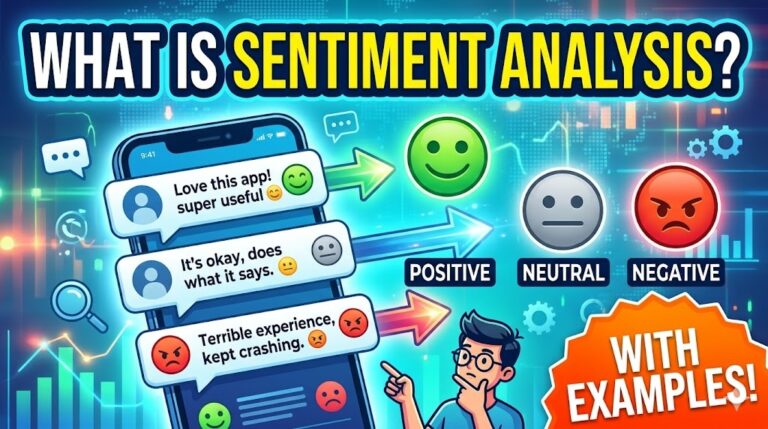
- Process: It identifies tokens like “love,” “amazing,” and “great” as strong indicators of a positive attitude.
- Role: It quantifies these feelings to generate an overall sentiment score. This interprets the processed text to extract emotional tone, determining overall customer satisfaction.
Example 2: Social Media Monitoring
A marketing firm tracking brand mentions on platforms like Twitter or Facebook relies on these tools to organize data and gauge public perception.
- Tokenization (Structuring Data):
- Scenario: A user tweets, “Just tried Brand X’s new energy drink, not a fan of the taste, unfortunately.”
- Process: The system slices this unstructured tweet into individual word and phrase tokens.
- Role: It enables the initial processing of social media data, turning large volumes of messy, unstructured text into a structured format suitable for algorithmic analysis.
- Sentiment Analysis (Gauging Perception):
- Scenario: The system applies sentiment analysis to the newly created tokens.
- Process: Despite neutral phrases like “Just tried,” the system identifies “not a fan” and “unfortunately” as clear indicators of a negative reaction.
- Role: It evaluates the emotional content of the tokenized text, classifying the tweet as negative and providing the marketing team with actionable insights to adjust their strategies.
Core Differences and Analogy
These two concepts serve distinct yet highly complementary roles in text analysis:
- Tokenization is a fundamental structural process that prepares text data for analysis by breaking it into smaller units. Analogy: Chopping raw ingredients before cooking.
- Sentiment Analysis is a more advanced analytical process that interprets those prepared tokens to determine the underlying emotional tone. Analogy: Tasting the cooked dish to determine if it needs more seasoning.
క్లాస్ నోట్స్: Tokenization మరియు Sentiment Analysis మధ్య తేడాలు
రియల్-వరల్డ్ text processing pipelines లో ఈ రెండూ వరుసగా (sequentially) ఎలా కలిసి పనిచేస్తాయో గమనించినప్పుడు Tokenization మరియు Sentiment Analysis మధ్య ఉన్న వ్యత్యాసాన్ని అర్థం చేసుకోవడం చాలా సులభం.
ఉదాహరణ 1: ఆన్లైన్ ప్రొడక్ట్ రివ్యూలు (Online Product Reviews)
ఒక e-commerce వెబ్సైట్ product descriptions ని మెరుగుపరచడానికి మరియు target advertising ని ఎఫెక్టివ్ గా చేయడానికి కస్టమర్ ఫీడ్బ్యాక్ని విశ్లేషిస్తున్నప్పుడు, టెక్స్ట్ నుండి వాల్యూను ఎక్స్ట్రాక్ట్ చేయడానికి అది ఈ రెండు ప్రాసెస్ల (processes) పైనా ఆధారపడుతుంది.
- Tokenization (డేటా ప్రిపరేషన్ – Data Preparation):
- సన్నివేశం (Scenario): ఒక కస్టమర్ ఇలా రాస్తాడు, “I love this new camera. It takes amazing pictures and the battery life is great.”
- ప్రాసెస్ (Process): Tokenization ఈ రా టెక్స్ట్ (raw text) ని విడివిడి పదాలు (individual words) లేదా సులభమైన పదబంధాలుగా (manageable phrases) విభజిస్తుంది (ఉదాహరణకు, [“I”, “love”, “this”, “new”, “camera”]).
- పాత్ర (Role): ఇది unstructured text ని సులభమైన భాగాలుగా విభజించి సింప్లిఫై (simplify) చేస్తుంది. తదుపరి Natural Language Processing (NLP) పనుల కోసం డేటాను సిద్ధం చేయడంలో ఇది తప్పనిసరి మొదటి అడుగుగా (mandatory first step) పనిచేస్తుంది.
- Sentiment Analysis (ఎమోషనల్ ఇంటర్ప్రిటేషన్ – Emotional Interpretation):
- సన్నివేశం (Scenario): రివ్యూ నుండి tokenized data ని తీసుకుని, సిస్టమ్ అందులో ఉపయోగించిన నిర్దిష్ట పదాలను విశ్లేషిస్తుంది (analyzes).
- ప్రాసెస్ (Process): ఇది “love,” “amazing,” మరియు “great” వంటి టోకెన్లను (tokens) పాజిటివ్ ఆటిట్యూడ్ (positive attitude) యొక్క బలమైన సూచికలుగా (indicators) గుర్తిస్తుంది.
- పాత్ర (Role): ఓవరాల్ సెంటిమెంట్ స్కోర్ను (overall sentiment score) రూపొందించడానికి ఇది ఈ ఫీలింగ్స్ ని క్వాంటిఫై (quantifies) చేస్తుంది. కస్టమర్ ఓవరాల్ గా సంతృప్తి చెందాడా లేదా అని నిర్ధారించడానికి, ప్రాసెస్ చేసిన టెక్స్ట్ లోని ఎమోషనల్ టోన్ (emotional tone) ని ఇది విశ్లేషిస్తుంది (interprets).
ఉదాహరణ 2: సోషల్ మీడియా మానిటరింగ్ (Social Media Monitoring)
Twitter లేదా Facebook ప్లాట్ఫారమ్లలో బ్రాండ్ ప్రస్తావనలను (brand mentions) ట్రాక్ చేసే ఒక మార్కెటింగ్ సంస్థ, డేటాను ఆర్గనైజ్ చేయడానికి మరియు పబ్లిక్ పర్సెప్షన్ (public perception) ని అంచనా వేయడానికి ఈ టూల్స్ (tools) పై ఆధారపడుతుంది.
- Tokenization (డేటాను స్ట్రక్చర్ చేయడం – Structuring Data):
- సన్నివేశం (Scenario): ఒక యూజర్ ఇలా ట్వీట్ చేస్తాడు, “Just tried Brand X’s new energy drink, not a fan of the taste, unfortunately.”
- ప్రాసెస్ (Process): సిస్టమ్ ఈ unstructured tweet ని విడివిడి word మరియు phrase tokens గా ముక్కలు చేస్తుంది (slices).
- పాత్ర (Role): ఇది సోషల్ మీడియా డేటా యొక్క ఇనిషియల్ ప్రాసెసింగ్ (initial processing) ని సాధ్యం చేస్తుంది. పెద్ద వాల్యూమ్స్లో ఉండే అస్తవ్యస్తమైన (messy), unstructured text ని అల్గారిథమిక్ అనాలిసిస్ (algorithmic analysis) కి అనువైన స్ట్రక్చర్డ్ ఫార్మాట్ (structured format) గా మారుస్తుంది.
- Sentiment Analysis (పర్సెప్షన్ అంచనా వేయడం – Gauging Perception):
- సన్నివేశం (Scenario): కొత్తగా క్రియేట్ చేయబడిన టోకెన్ల (tokens) పై సిస్టమ్ sentiment analysis ని అప్లై చేస్తుంది.
- ప్రాసెస్ (Process): “Just tried” వంటి న్యూట్రల్ పదబంధాలు (neutral phrases) ఉన్నప్పటికీ, సిస్టమ్ “not a fan” మరియు “unfortunately” అనే పదాలను నెగటివ్ రియాక్షన్ (negative reaction) యొక్క స్పష్టమైన సూచికలుగా (indicators) గుర్తిస్తుంది.
- పాత్ర (Role): ఇది tokenized text యొక్క ఎమోషనల్ కంటెంట్ (emotional content) ని విశ్లేషిస్తుంది (evaluates). ట్వీట్ను నెగటివ్గా (negative) వర్గీకరిస్తుంది మరియు మార్కెటింగ్ టీమ్ వారి స్ట్రాటజీలను మార్చుకోవడానికి అవసరమైన యాక్షనబుల్ ఇన్సైట్స్ (actionable insights) ని అందిస్తుంది.
ప్రధాన తేడాలు మరియు ఉదాహరణ (Core Differences and Analogy)
టెక్స్ట్ అనాలిసిస్ (text analysis) లో ఈ రెండు కాన్సెప్ట్స్ విభిన్నమైన మరియు ఒకదానికొకటి పూరకమైన (complementary) పాత్రలను పోషిస్తాయి:
- Tokenization అనేది టెక్స్ట్ డేటాను చిన్న యూనిట్లుగా విభజించడం ద్వారా విశ్లేషణ కోసం సిద్ధం చేసే ఒక ఫండమెంటల్ స్ట్రక్చరల్ ప్రాసెస్ (fundamental structural process). ఉదాహరణ (Analogy): వంట చేయడానికి ముందు పచ్చి పదార్థాలను (raw ingredients) ముక్కలుగా కోయడం.
- Sentiment Analysis అనేది ఆ టెక్స్ట్ వెనుక ఉన్న ఎమోషనల్ టోన్ (emotional tone) ని తెలుసుకోవడానికి, సిద్ధం చేసిన ఆ టోకెన్లను విశ్లేషించే మరింత అడ్వాన్స్డ్ ఎనలిటికల్ ప్రాసెస్ (advanced analytical process). ఉదాహరణ (Analogy): వండిన వంటకానికి ఇంకా ఏమైనా మసాలా అవసరమా అని తెలుసుకోవడానికి దాన్ని రుచి చూడటం.