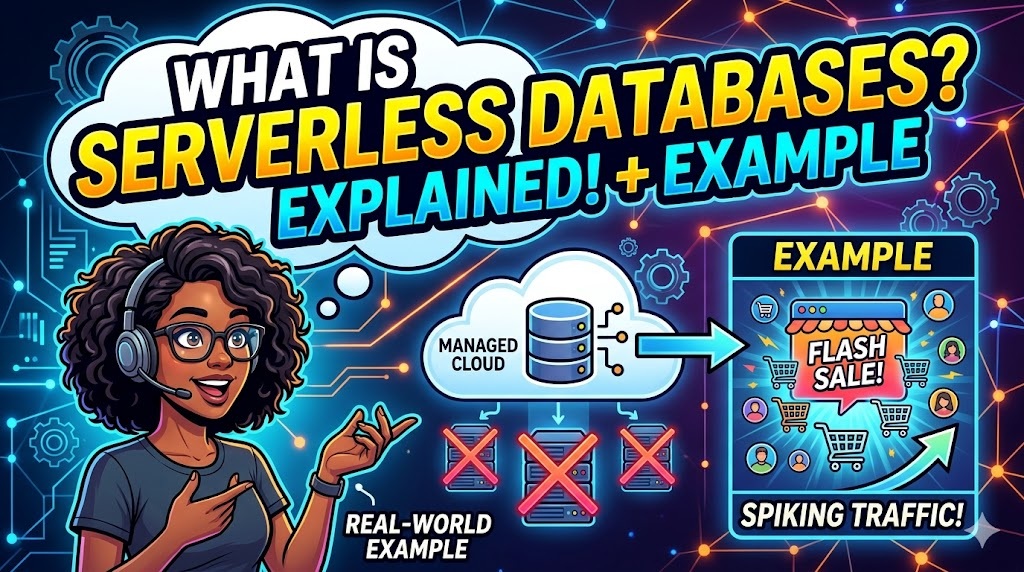
A serverless database is a cloud database model where the cloud provider completely manages the underlying infrastructure, hardware provisioning, scaling, and maintenance.
💡 Note: Despite the name “serverless,” physical servers are still running the database. However, the complexity of managing those servers is entirely abstracted away from the developer. Instead of picking a specific server size with a set amount of RAM and CPU, you simply create the database tables and start using them.
🌟 Key Characteristics
🛠️ Zero Infrastructure Management: You never have to worry about operating system patches, hardware upgrades, or cluster configurations.
📈 Instant, Automatic Scaling: The database dynamically scales compute and storage capacity up or down in real-time based on actual application demand.
🛑 Scale-to-Zero: When your application is idle and receiving no traffic, many serverless databases can scale down to zero compute resources, meaning you pay nothing for compute during downtime.
💳 Granular Pay-per-Use: Traditional databases charge a flat hourly fee based on the size of the server you rent. Serverless databases charge you strictly for the storage you occupy and the exact volume of database operations (reads and writes) you execute.
🔄 Traditional vs. Serverless Databases
📋 Feature
🏛️ Traditional Cloud Database (Provisioned)
☁️ Serverless Database
⚙️ Provisioning
You choose instance sizes (e.g., 4 vCPUs, 16GB RAM).
You don’t choose instances; you just create tables.
📊 Scaling
Manual or rule-based (can take minutes or hours).
Automatic and instantaneous (takes seconds or milliseconds).
💰 Pricing Model
Fixed hourly rate, regardless of actual utilization.
Pay-per-request and data storage size.
⏳ Idle Time
You pay for the server even if it does nothing.
Compute costs drop to zero when traffic stops.
🛍️ Real-World Example: An E-Commerce Flash Sale
Imagine you run an online retail storefront. Your traffic pattern fluctuates wildly throughout a 24-hour cycle:
🕒 3:00 AM: 10 visitors per hour (Late night lull)
🕒 12:00 PM: 2,000 visitors per hour (Lunch break browsing)
🕒 8:00 PM: 100,000 visitors in 10 minutes (A highly anticipated flash sale)
🏛️ Scenario A: Using a Traditional Database
To survive the 8:00 PM flash sale without your website crashing, you must manually provision and pay for a massive database server capable of handling 100,000 concurrent users.
⚠️ The Downside: During the flash sale, it works perfectly. However, during the other 23 hours of the day, you are still paying for that massive, expensive server even though it is mostly sitting idle.
⚡ Scenario B: Using a Serverless Database
If you use a serverless database (such as Amazon DynamoDB, Google Cloud Firestore, or CockroachDB Serverless):
📉 At 3:00 AM: The database operates at a minimal baseline. You are only billed a few fractions of a cent for the tiny number of reads and writes taking place.
🚀 At 8:00 PM: As a massive wave of shoppers hits your site simultaneously, the serverless platform instantly allocates more compute power behind the scenes to handle the sudden spike. Transactions process smoothly without any manual configuration or downtime.
📉 At 8:15 PM: Once the flash sale concludes and traffic dissipates, the database immediately scales back down.
🎯 With a serverless database, you don’t have to guess your peak traffic in advance, your application remains highly resilient against unexpected traffic surges, and you only pay for the exact database resources your users consume.
⚙️ HeyGen Video Project Settings
🧑💼 Avatar Style: Professional / Tech Presenter (Standing or desk layout)
🖼️ Background: Clean tech office or abstract digital background
🗣️ Voice Tone: Engaging, energetic, and professional (Telugu-English Mix / Indian Accent Voice)
🎬 Scene 1: Introduction
👁️ Visuals: Avatar stands in the center. A clean text graphic appears on the side: "Serverless Database అంటే ఏమిటి?"
🎙️ Audio (Script):“హలో ఫ్రెండ్స్! అసలు Serverless database అంటే ఏమిటో మీకు తెలుసా? పేరు ‘serverless’ అని ఉన్నప్పటికీ, బ్యాక్గ్రౌండ్లో physical servers ఖచ్చితంగా database ని రన్ చేస్తూనే ఉంటాయి. కానీ, ఆ servers ని manage చేసే complexity డెవలపర్లకు తెలియకుండా పూర్తిగా abstract అవుతుంది. మీరు ఒక నిర్దిష్ట server size ని ఎంచుకుని, దానికి RAM మరియు CPU ని కేటాయించాల్సిన అవసరం లేదు. కేవలం database tables క్రియేట్ చేసి, వాటిని వాడుకోవడం ప్రారంభించవచ్చు.”
🎬 Scene 2: Key Characteristics
👁️ Visuals: The screen splits. The avatar shifts slightly to one side, and key bullet points appear dynamically with icons.
📺 On-Screen Graphics:
🛠️ Zero Infrastructure Management
📈 Instant, Automatic Scaling
🛑 Scale-to-Zero
💳 Granular Pay-per-Use
🎙️ Audio (Script):“ఇందులో నాలుగు ముఖ్యమైన లక్షణాలు ఉన్నాయి. మొదటిది, Zero Infrastructure Management. OS ప్యాచెస్ లేదా హార్డ్వేర్ అప్గ్రేడ్స్ గురించి మీరు అస్సలు చింతించాల్సిన అవసరం లేదు. రెండవది, Instant, Automatic Scaling. ట్రాఫిక్ ని బట్టి database తన compute మరియు storage capacity ని real-time లో ఆటోమేటిక్గా scale up లేదా down చేస్తుంది. మూడవది, Scale-to-Zero. అప్లికేషన్కి ఎలాంటి ట్రాఫిక్ లేనప్పుడు, చాలా databases సున్నా compute resources కి వచ్చేస్తాయి, అంటే డౌన్టైమ్లో మీరు ఒక్క రూపాయి కూడా బిల్లు కట్టక్కర్లేదు. నాల్గవది, Granular Pay-per-Use. మీరు వాడే storage మరియు reads, writes కి మాత్రమే ఖచ్చితంగా బిల్లు పడుతుంది.”
🎬 Scene 3: Comparison
👁️ Visuals: A clean, scannable comparison table animates onto the screen next to the avatar.
📺 On-Screen Table:
📋 Feature
🏛️ Traditional Cloud Database
☁️ Serverless Database
⚙️ Provisioning
Instance sizes ఎంచుకోవాలి
కేవలం tables క్రియేట్ చేస్తారు
📊 Scaling
Manual లేదా నియమాల ప్రకారం
Automatic & Instant
💰 Pricing
Fixed hourly rate
Pay-per-request
⏳ Idle Time
ఖాళీగా ఉన్నా డబ్బులు కట్టాలి
Compute ఖర్చులు సున్నా అవుతాయి
🎙️ Audio (Script):“సాధారణ Traditional databases కి, Serverless databases కి ఉన్న తేడాలను ఒకసారి చూద్దాం. Traditional లో మీరు instance sizes ని ముందే ఎంచుకోవాలి, manual గా scale చేయాలి, మరియు సర్వర్ ఖాళీగా ఉన్నా సరే fixed hourly rate చెల్లించాలి. అదే Serverless లో అయితే, మీరు కేవలం tables క్రియేట్ చేస్తారు, scaling తక్షణమే ఆటోమేటిక్గా జరుగుతుంది, మీ pricing మోడల్ పూర్తిగా pay-per-request పైనే ఆధారపడి ఉంటుంది, మరియు ట్రాఫిక్ లేనప్పుడు ఖర్చులు సున్నా అవుతాయి.”
🎬 Scene 4: Real-World Example (The Flash Sale)
👁️ Visuals: The table disappears. A timeline graphic appears showing a 24-hour clock spiking wildly at 8:00 PM.
📺 On-Screen Graphics:
🕒 3:00 AM ➡️ 10 visitors/hr
🕒 12:00 PM ➡️ 2,000 visitors/hr
🚀 8:00 PM ➡️ 100,000 visitors in 10 mins (Flash Sale!)
🎙️ Audio (Script):“దీనిని ఒక రియల్-వరల్డ్ ఉదాహరణతో అర్థం చేసుకుందాం. మీరు ఒక ఆన్లైన్ రిటైల్ స్టోర్ నడుపుతున్నారని ఊహించుకోండి. రాత్రి 3:00 గంటలకు గంటకు కేవలం 10 మంది విజిటర్స్ ఉంటారు. మధ్యాహ్నం 12:00 గంటలకు 2,000 మంది అవుతారు. కానీ రాత్రి 8:00 గంటలకు ఒక పెద్ద Flash Sale వల్ల, కేవలం 10 నిమిషాల్లో ఒక లక్ష మంది విజిటర్స్ ఒకేసారి మీ సైట్కి వస్తారు.”
🎬 Scene 5: Scenario Comparison & Conclusion
👁️ Visuals: Logos of popular services (Amazon DynamoDB, Google Cloud Firestore, CockroachDB Serverless) appear on screen. The avatar gestures toward them as the video wraps up.
🎙️ Audio (Script):“ఇలాంటి సమయంలో మీరు Traditional Database వాడితే, ఆ లక్ష మంది వినియోగదారులను తట్టుకోవడానికి ఒక పెద్ద, ఖరీదైన సర్వర్ ని ముందే కొని ఉంచాలి. దీనివల్ల మిగిలిన 23 గంటలు ఆ సర్వర్ ఖాళీగా ఉన్నా మీరు భారీగా బిల్లు కట్టాల్సిందే. అదే మీరు Amazon DynamoDB లేదా Google Cloud Firestore లాంటి Serverless Database వాడితే, రాత్రి 3:00 AM కి కేవలం పైసల్లో బిల్లు పడుతుంది. రాత్రి 8:00 PM కి సిస్టమ్ ఆటోమేటిక్గా పవర్ పెంచి, ఎలాంటి downtime లేకుండా సేల్ పూర్తి చేస్తుంది. సేల్ ముగియగానే మళ్ళీ వెంటనే scale down అయిపోతుంది. దీనివల్ల మీ peak traffic ని ముందే ఊహించాల్సిన అవసరం లేదు, అప్లికేషన్ చాలా resilient గా ఉంటుంది, మరియు మీరు వాడిన దానికి మాత్రమే పే చేస్తారు!”
🛡️ What is a Zero-Knowledge Proof? A Zero-Knowledge Proof (ZKP) is a cryptographic method that allows one person (the Prover) to convince another person (the Verifier) that a specific statement is true, without revealing any information beyond the fact that it is true. 🤫 In simpler terms: You prove you know a secret without actually…
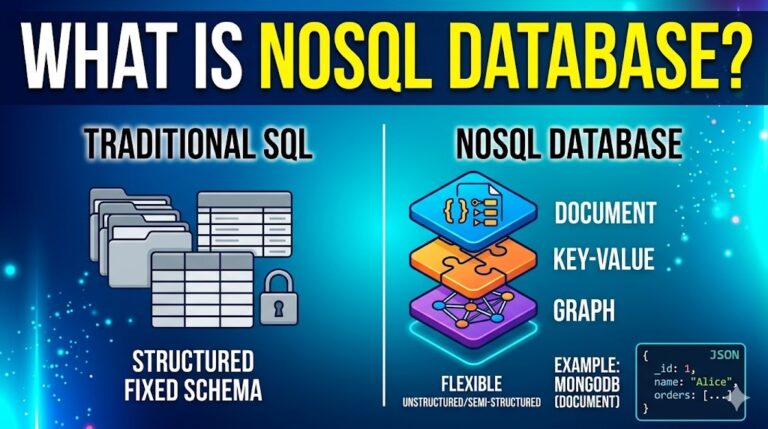
🗄️ What is a NoSQL Database? A NoSQL database (often meaning “Not Only SQL”) is a type of database designed to handle large volumes of unstructured or semi-structured data. 🔒 Unlike traditional relational databases (like MySQL or PostgreSQL) that store data in rigid, interconnected tables with strict rules, NoSQL databases store data in flexible, highly…
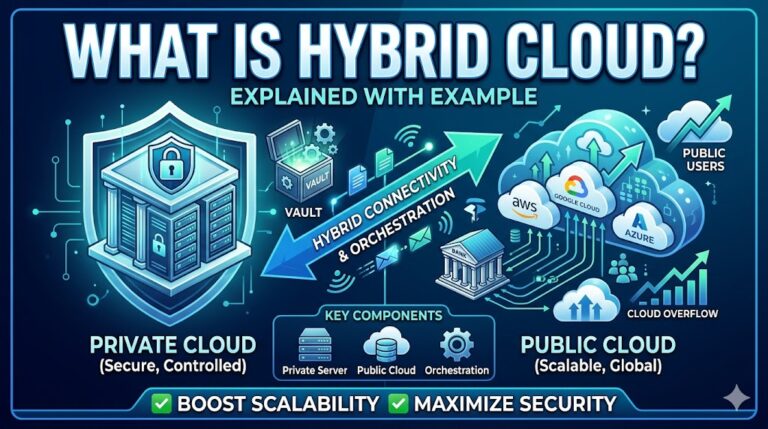
☁️ Hybrid Cloud: The Best of Both Worlds A Hybrid Cloud is a computing environment that bridges the gap between a Private Cloud (on-premises infrastructure) and a Public Cloud (like AWS, Google Cloud, or Azure). It uses a management layer to allow data and applications to move seamlessly between these environments, offering a perfect balance…
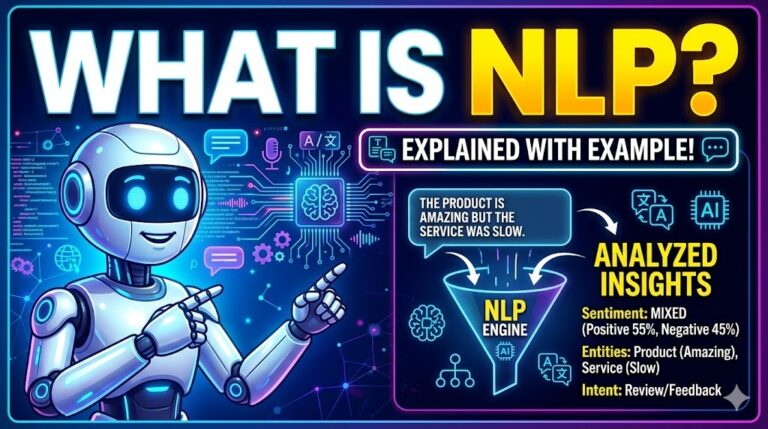
🧠 What is Natural Language Processing (NLP)? Natural Language Processing (NLP) is a branch of Artificial Intelligence (AI) that gives computers the ability to understand, interpret, and generate human language—both written and spoken—in a way that is meaningful and useful. Because humans speak in messy, complex ways (using sarcasm, idioms, and slang) and computers communicate…
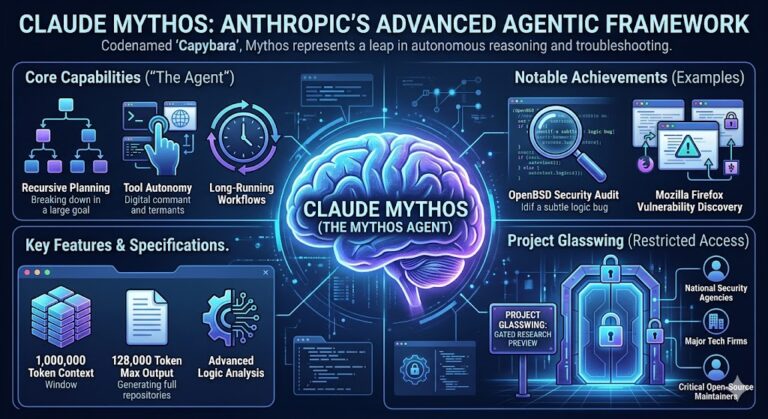
🤖 Claude Mythos: The Evolution of AI Agents Claude Mythos (the Mythos Agent) is Anthropic’s flagship AI model and agentic framework as of early 2026. Codenamed “Capybara” during its secret development, it represents a monumental shift from “answering” to “doing.” It is designed for autonomous reasoning—the capacity to plan, execute, and troubleshoot complex tasks over…
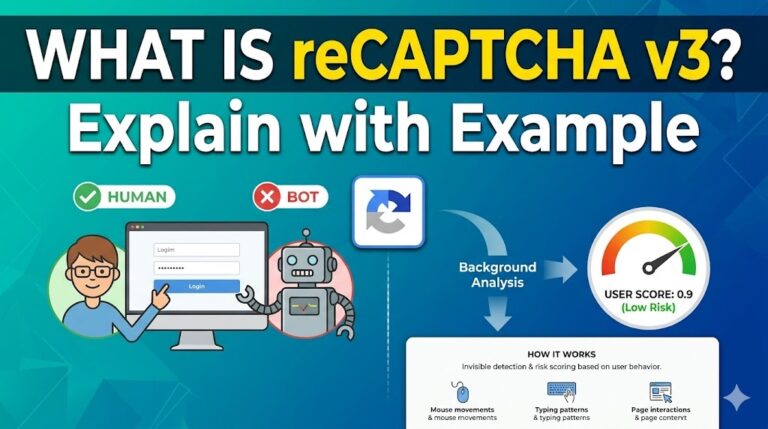
🛡️ What is reCAPTCHA v3? 🔒 reCAPTCHA v3 is a security service developed by Google that protects websites from spam and malicious bot activity. 👻 Unlike previous versions of reCAPTCHA (which interrupted users by asking them to check an “I am not a robot” box or identify pictures of traffic lights), v3 operates completely invisibly…
 🚀 *Gen AI Engineer (Production Focused)*